A long conductor of circular cross-section with radius r has current density
J(r) = ρ 0 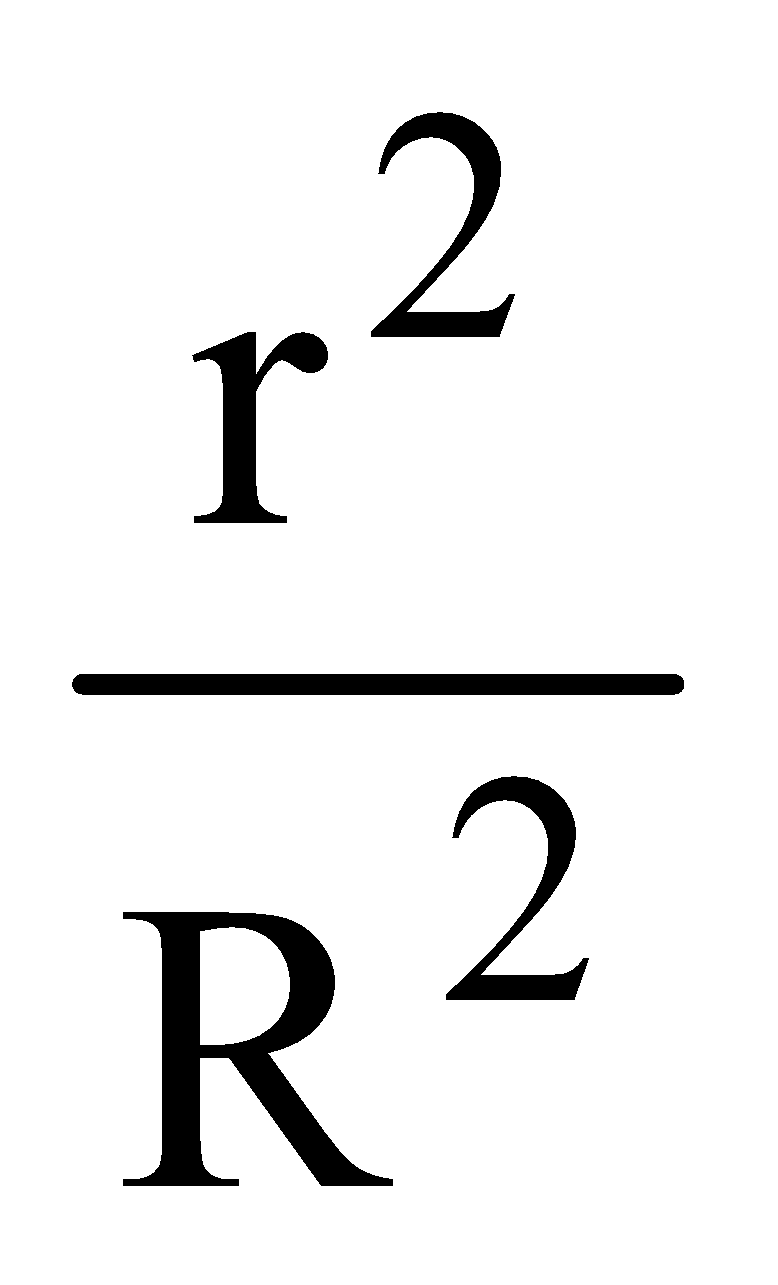
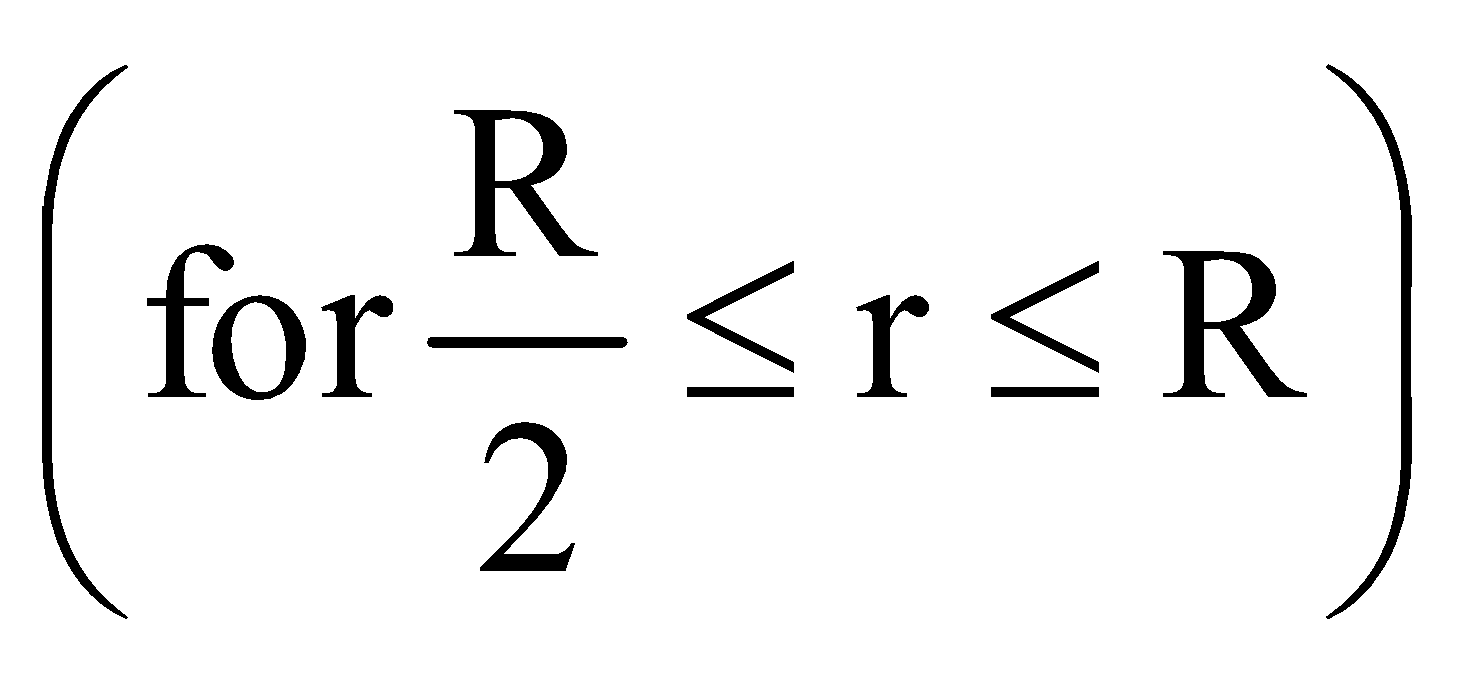
= 0 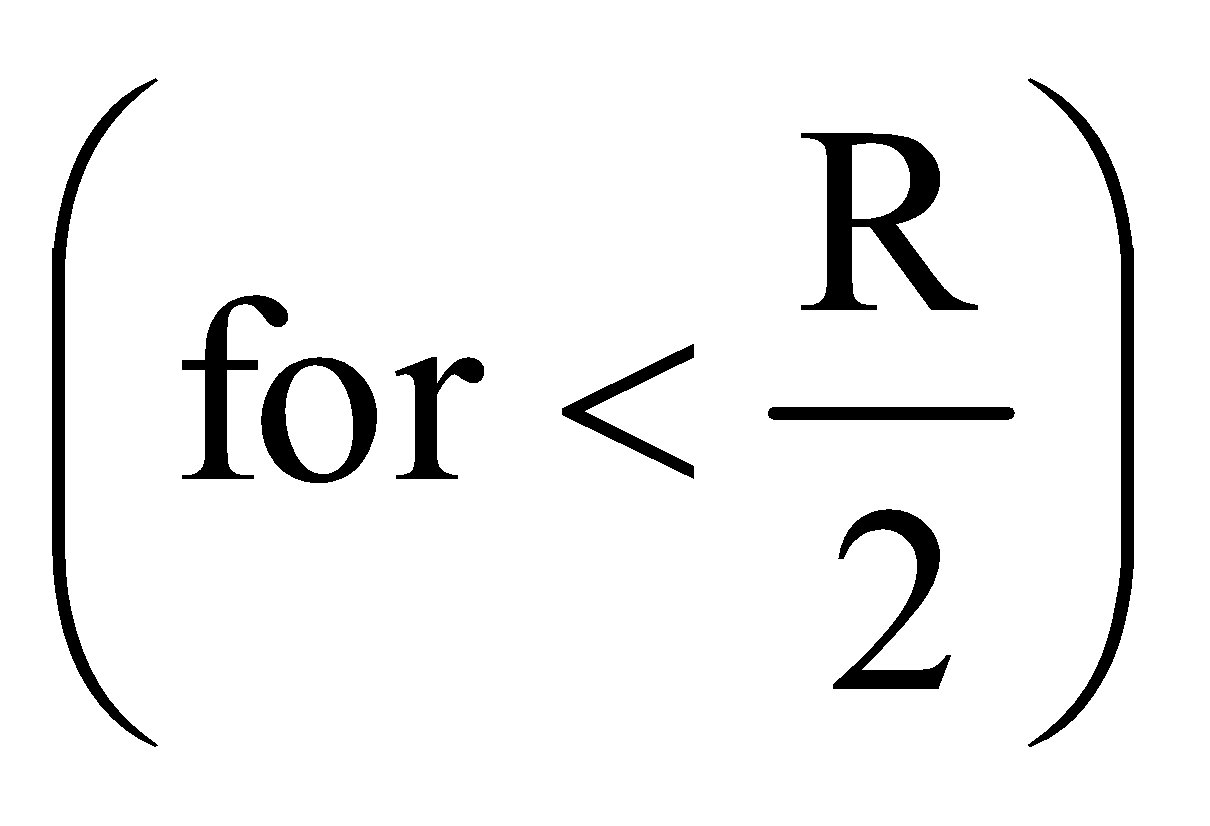
(for r < R/2) into the plane of paper. There is a point P at distance 'a' from the axis of the conductor [a > R]. Two infinitely long thin conducting wires carrying current I 0 in the same direction are placed at distance a from O perpendicular to OP and parallel to con doctor at either side such that the magnetic field at P is zero. Find the current I 0 in the wires and the direction of current as compared with the direction of current in the conductor.
Text Solution
Verified by ExpertsCHECK THE SOLUTION.
Sol. Current through conductor,
I = 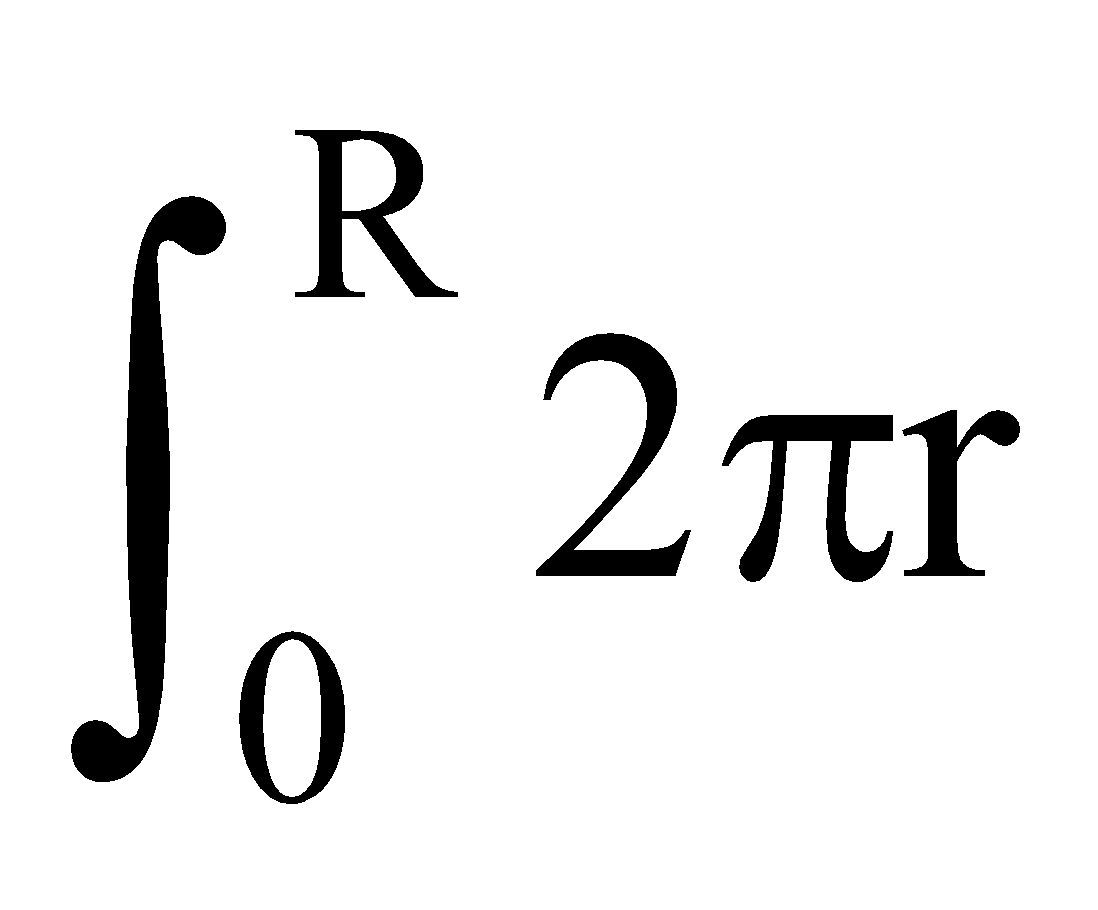 J(r) =
 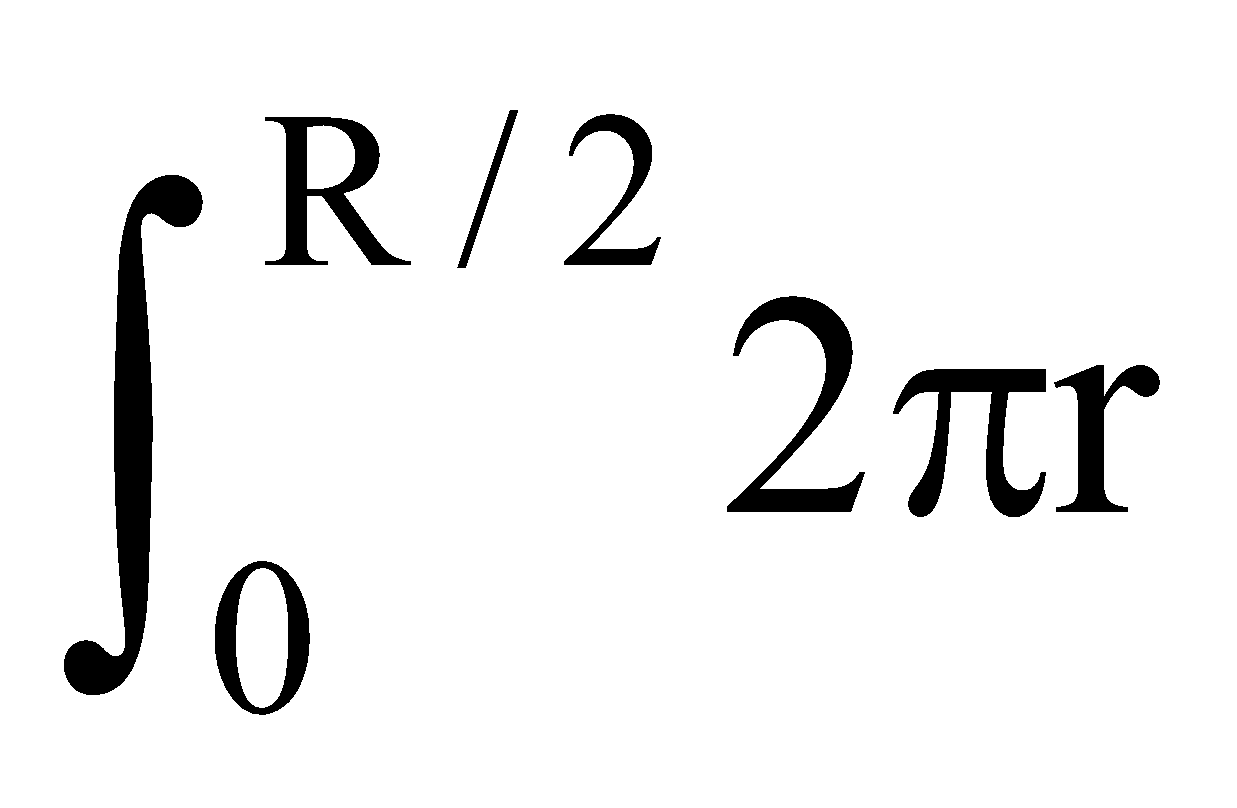 J(r) dr +
 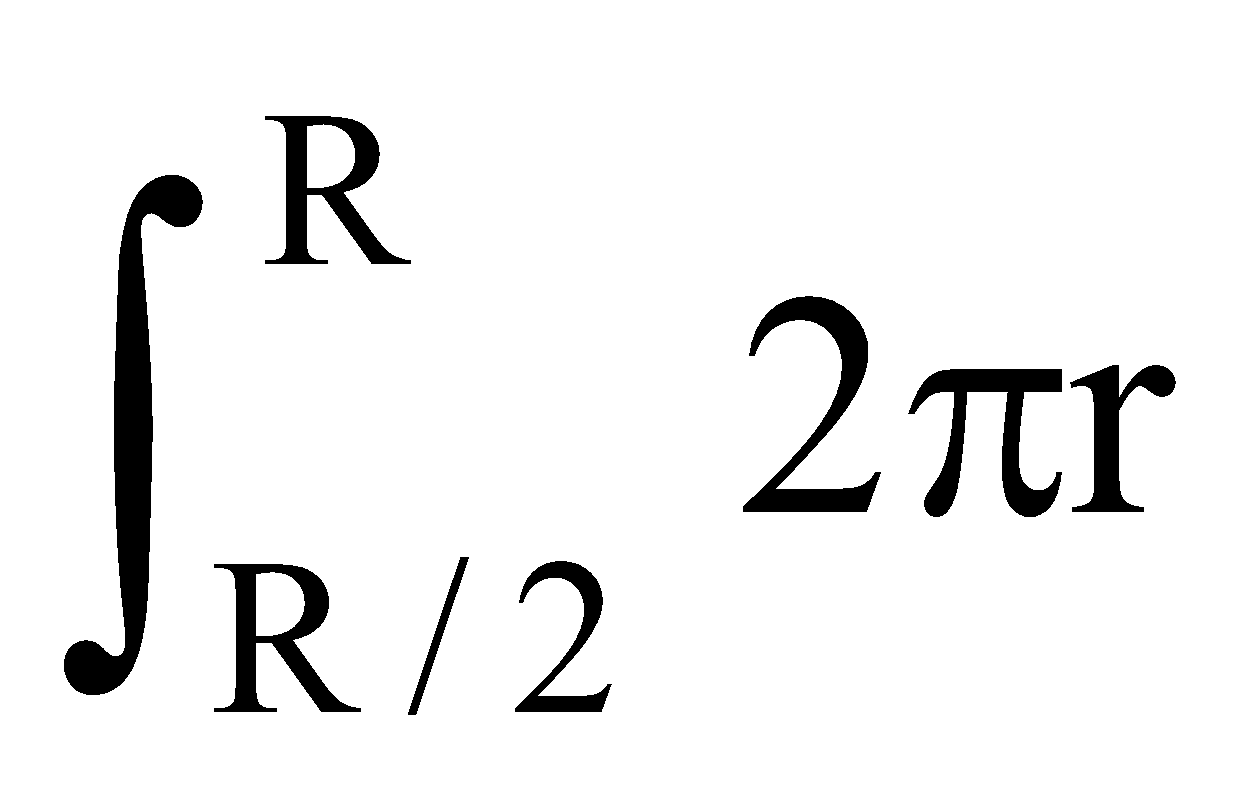 J(r) dr
= 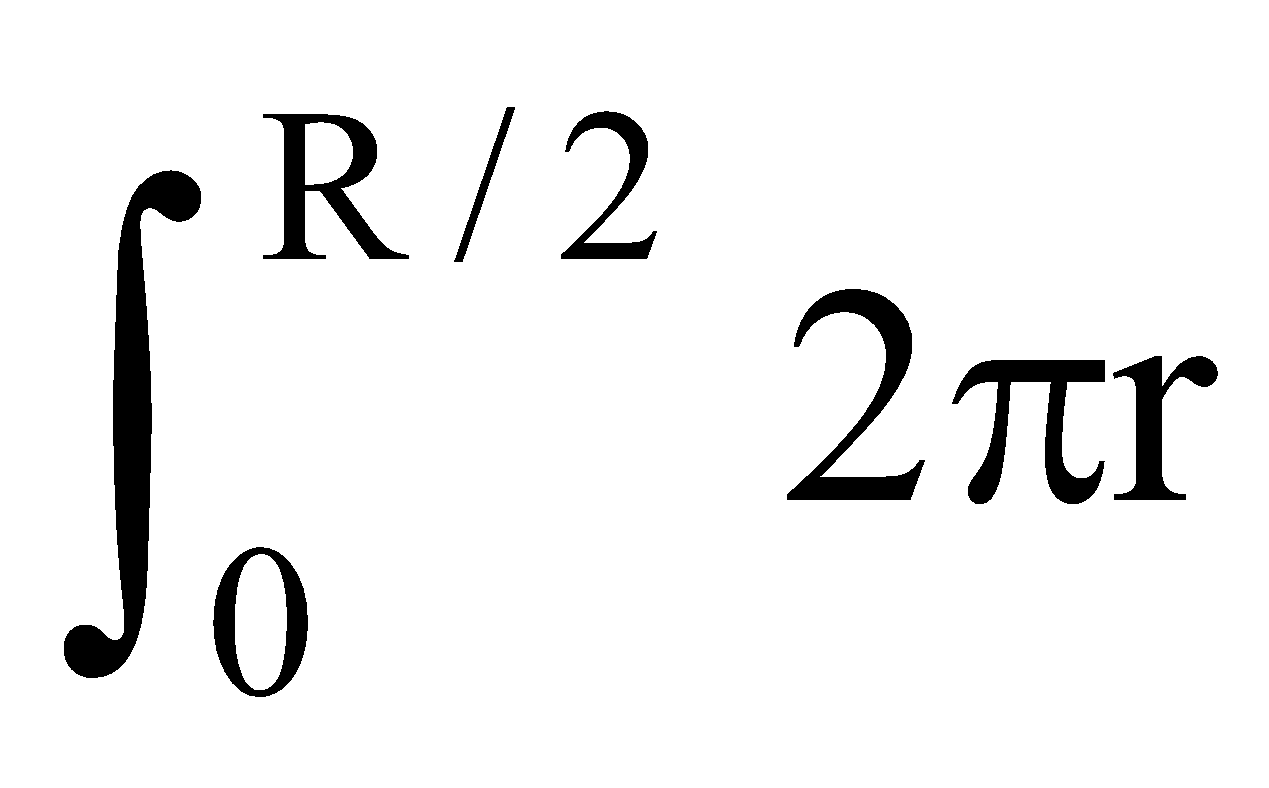 · 0 · dr +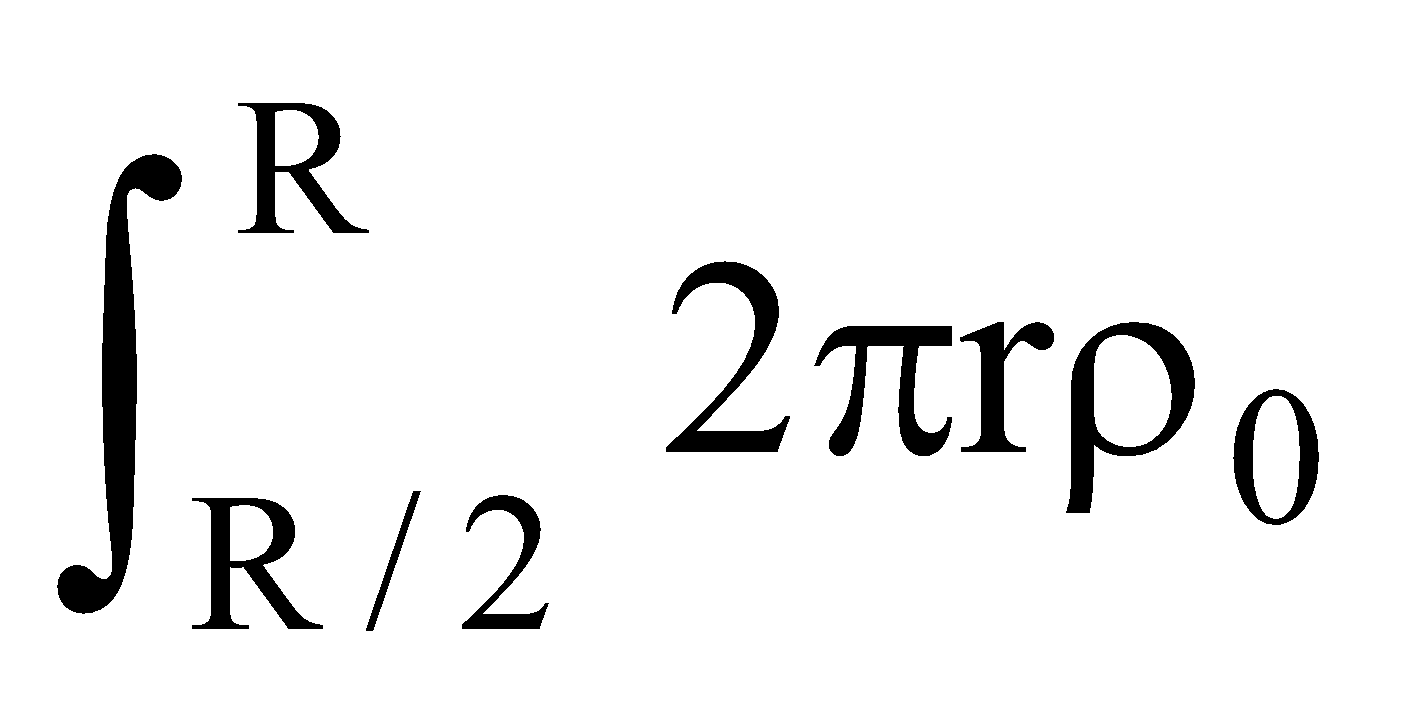
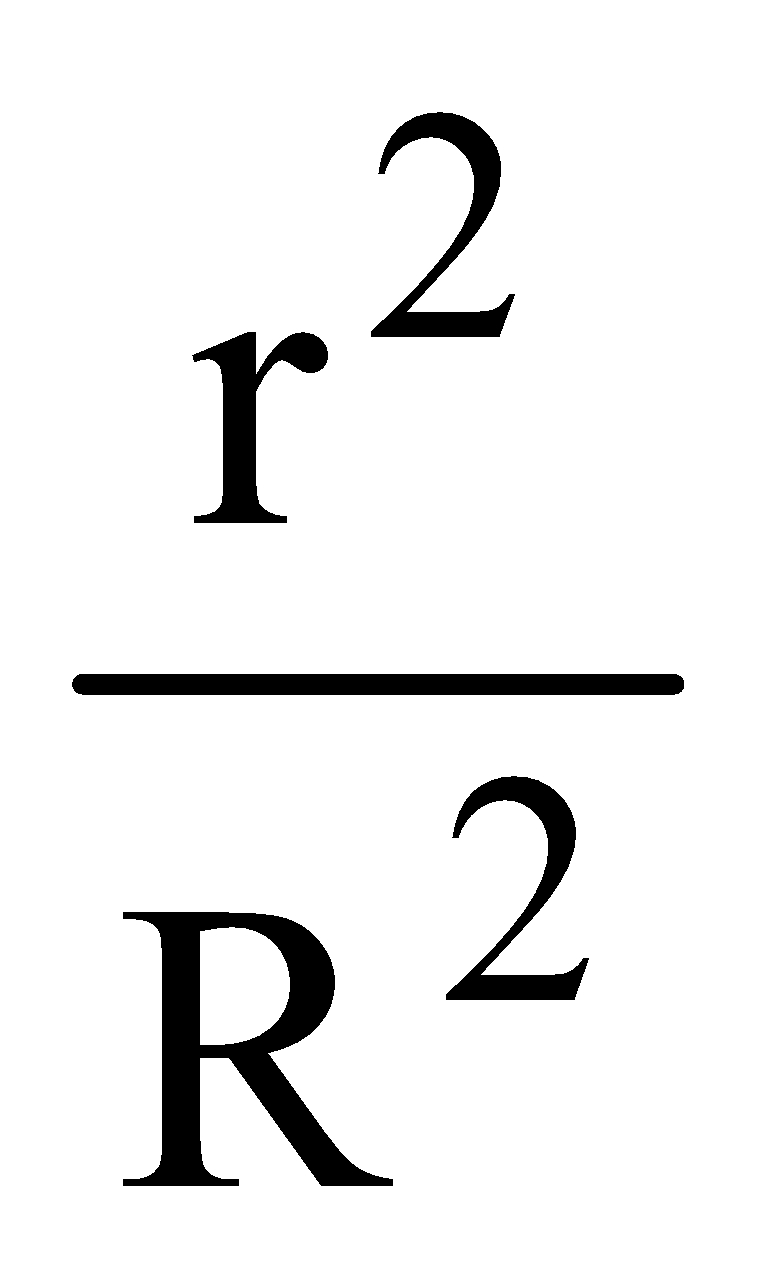 dr
dr
= 0 + 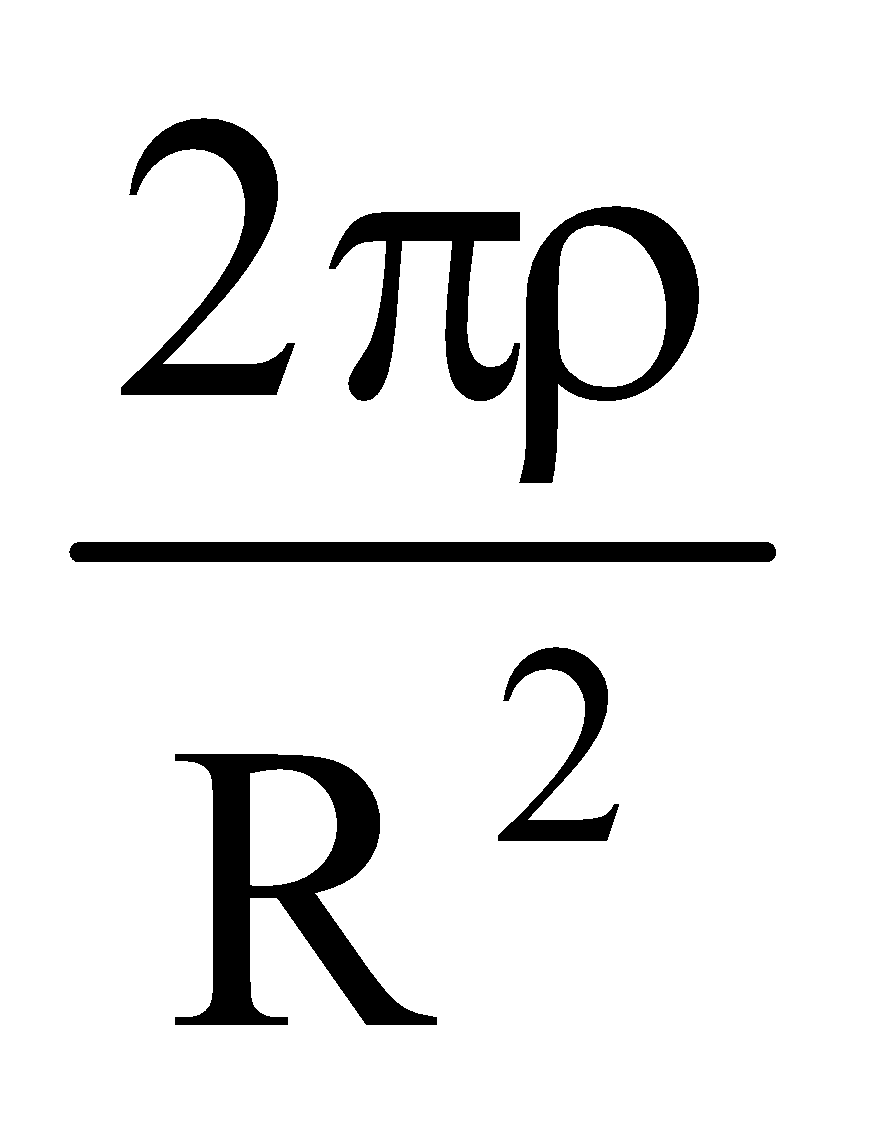
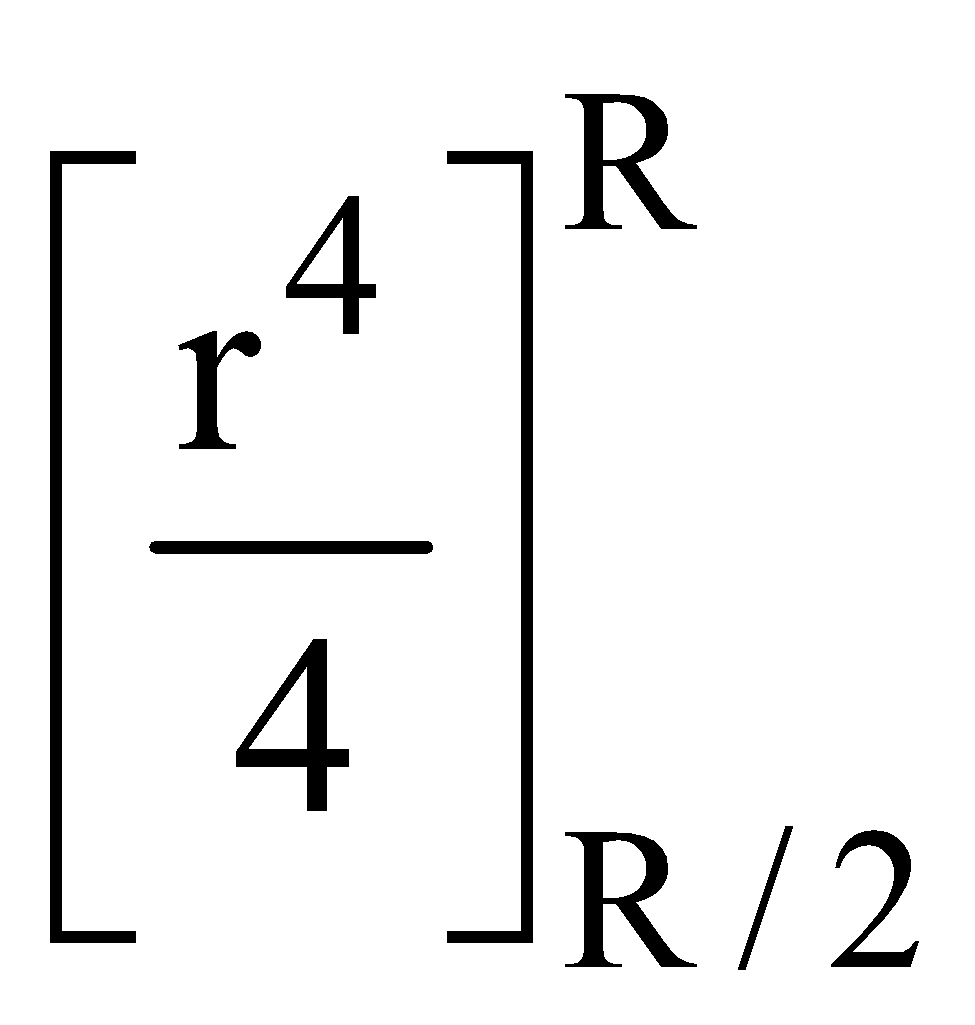 =
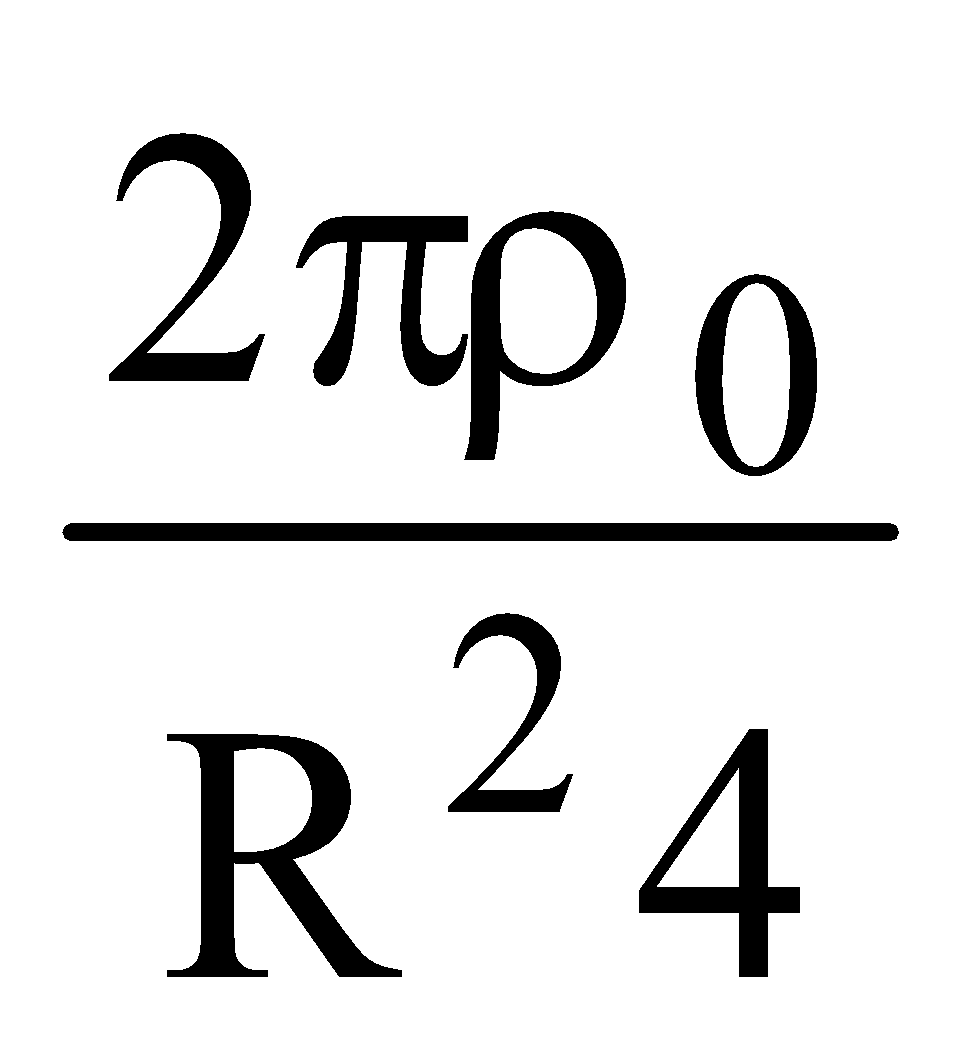
= 
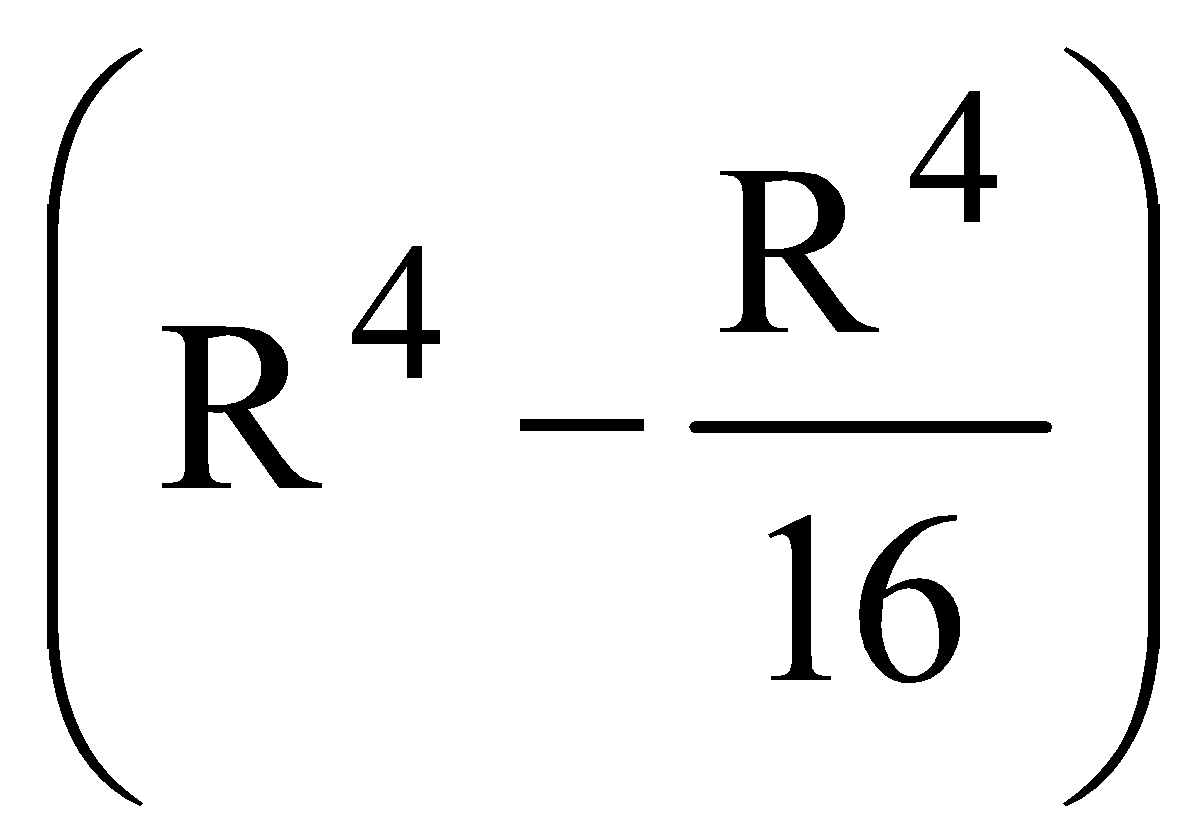 =
= 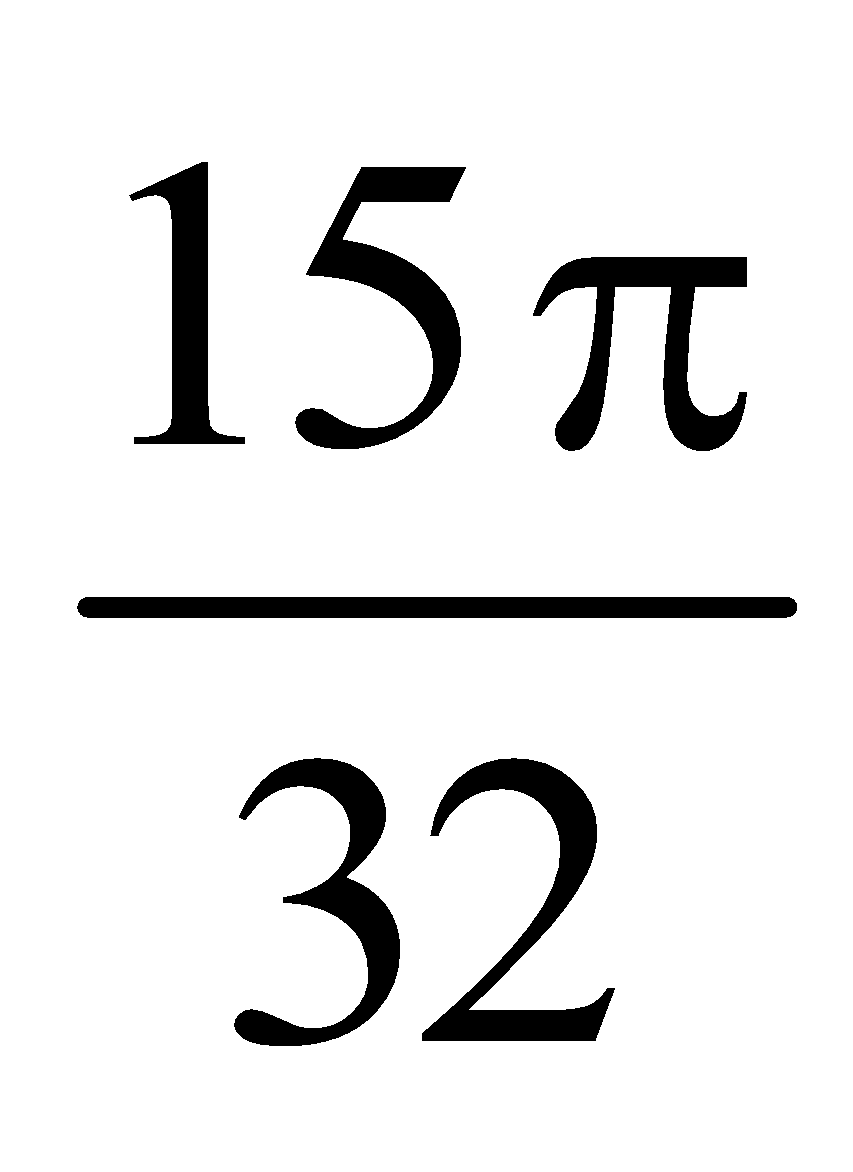 r 0 R 2 Let us consider a circle with center O and radius OP in a plane perpendicular to the conductor. For all points on the circle, due to symmetry, B is same due to the conductor. Applying Ampere's law
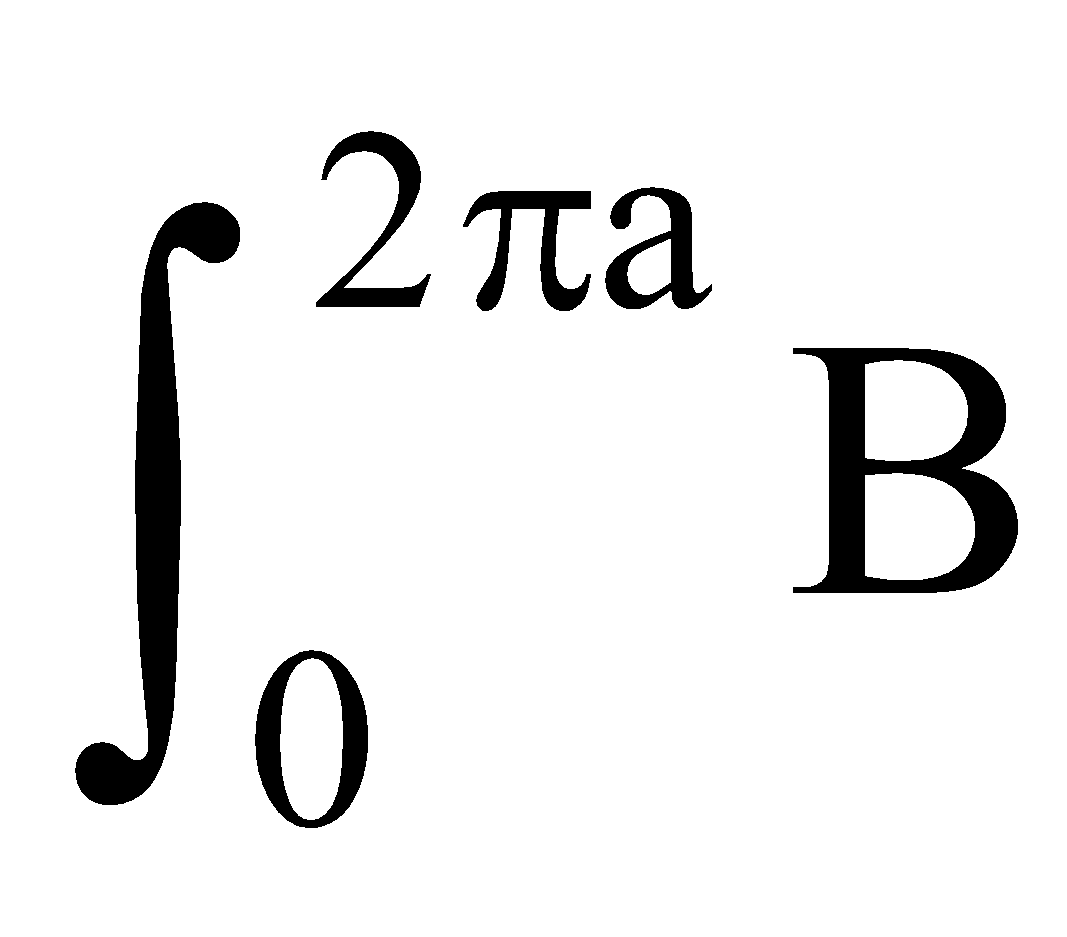 · dl = µ 0 I
⇒ B · 2 π a = µ 0 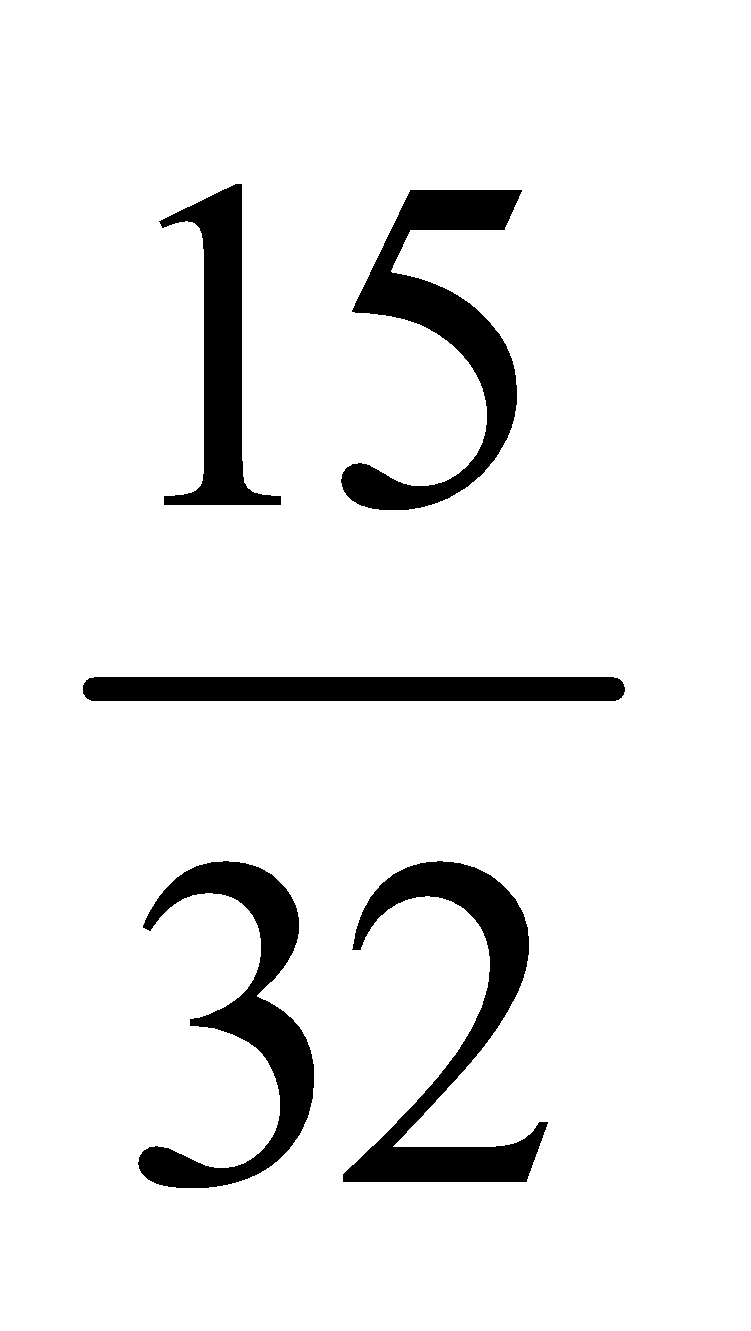 π r 0 R
2 ⇒ B ′ = 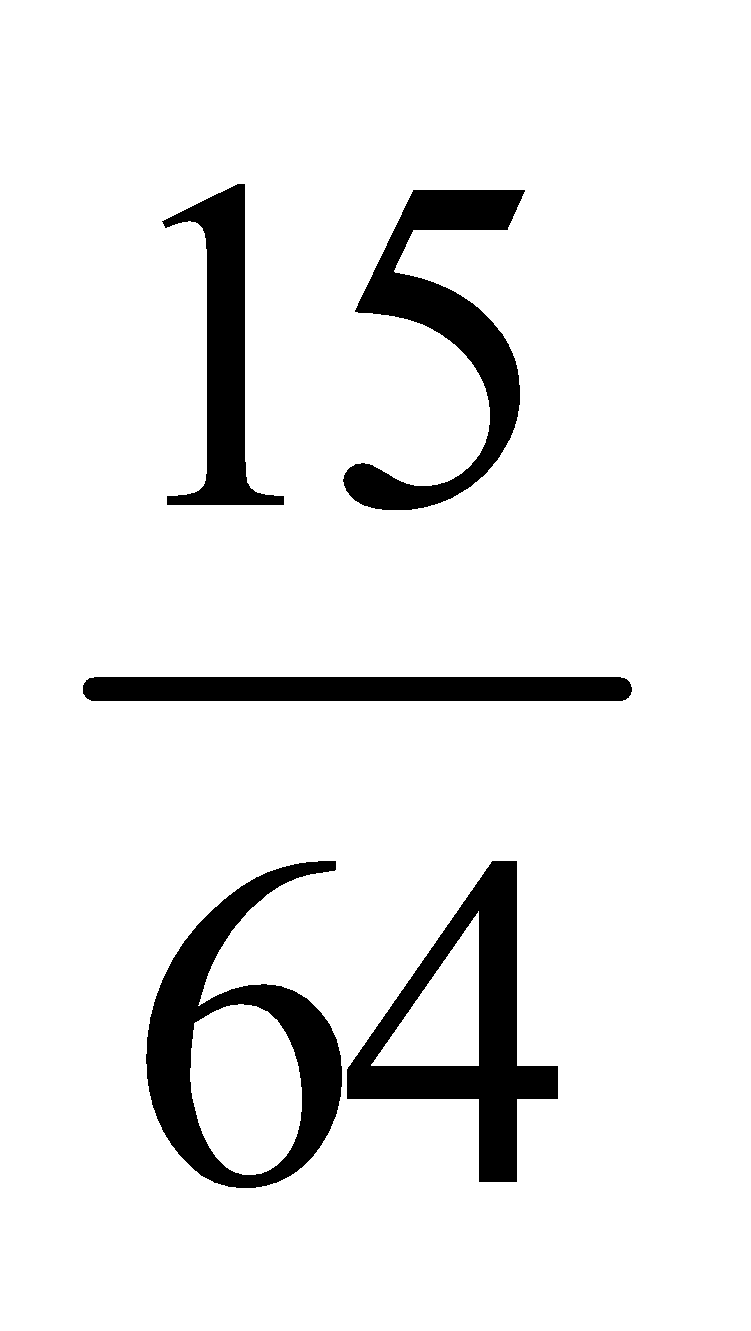
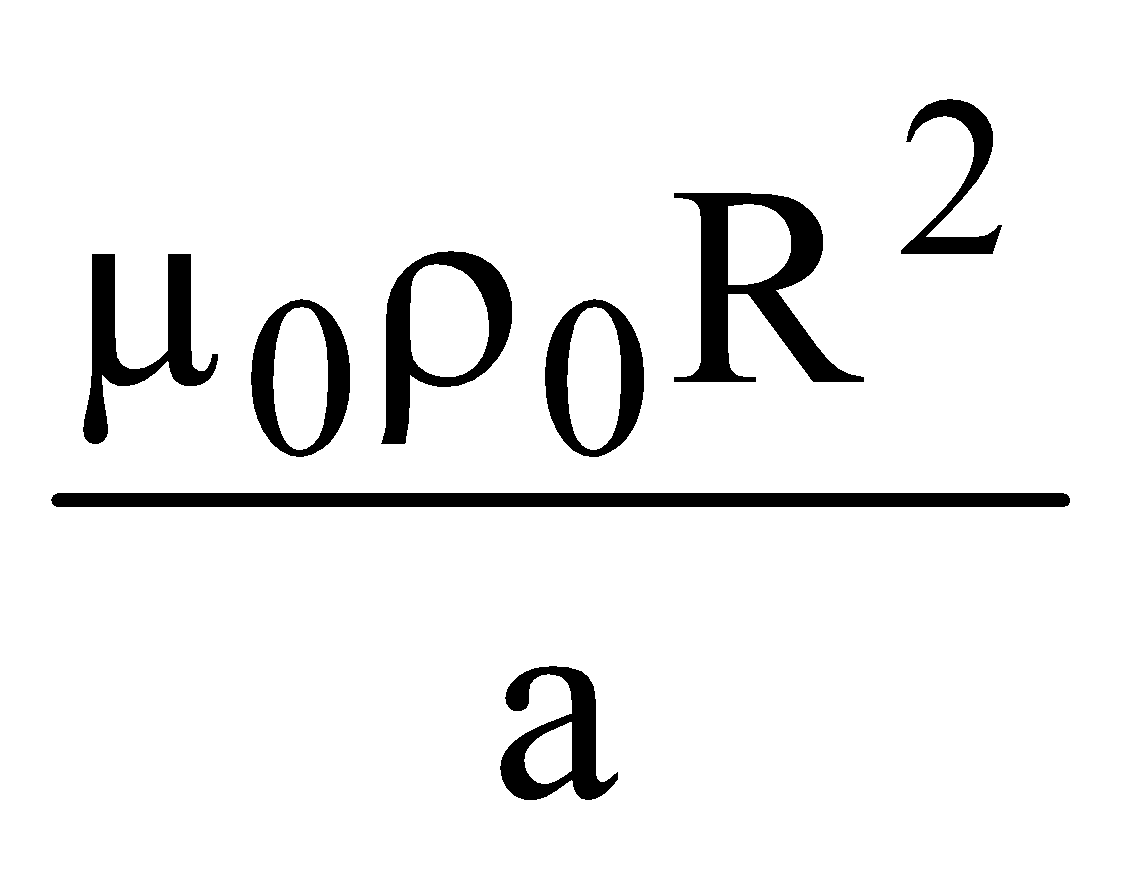
As current is into the plane B is downward to P. Now field due to wires A 1 and A 2 must cancel B. That is possible when the current in the wires is out of the plane.
Field due to A 1 , 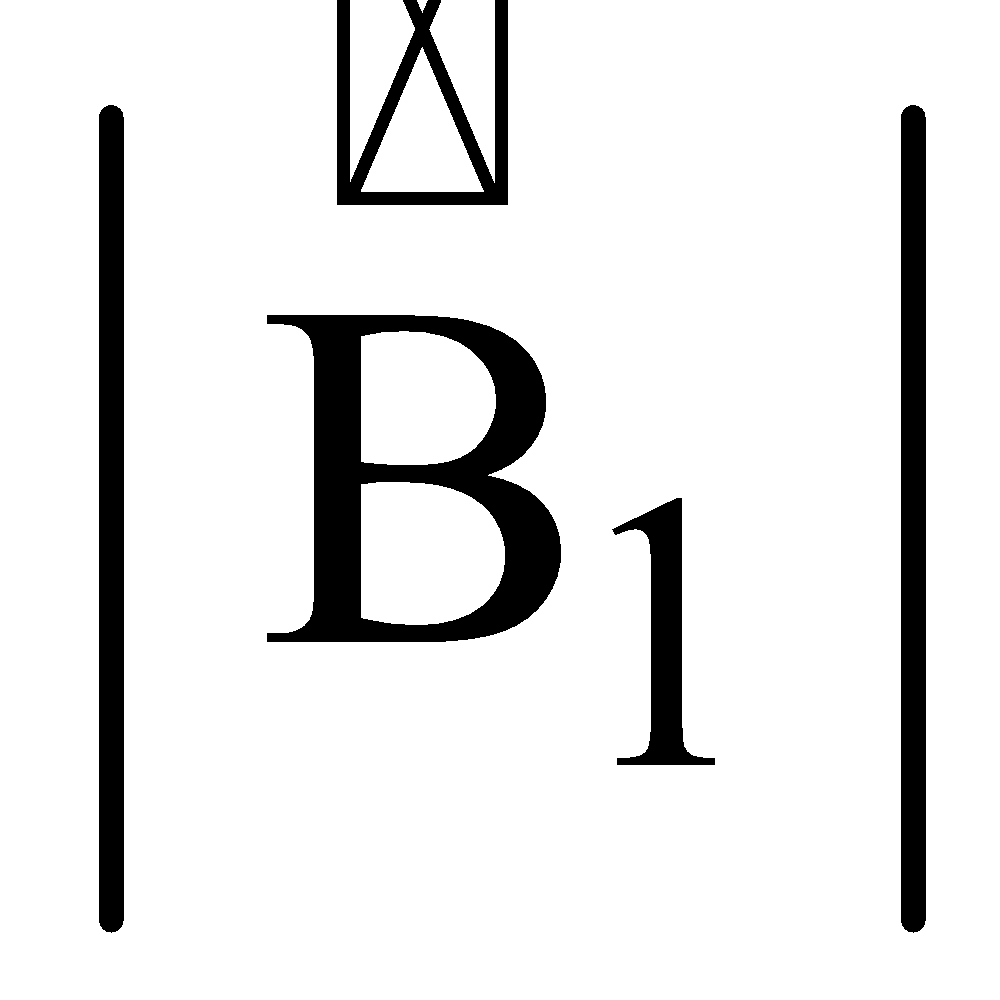 =
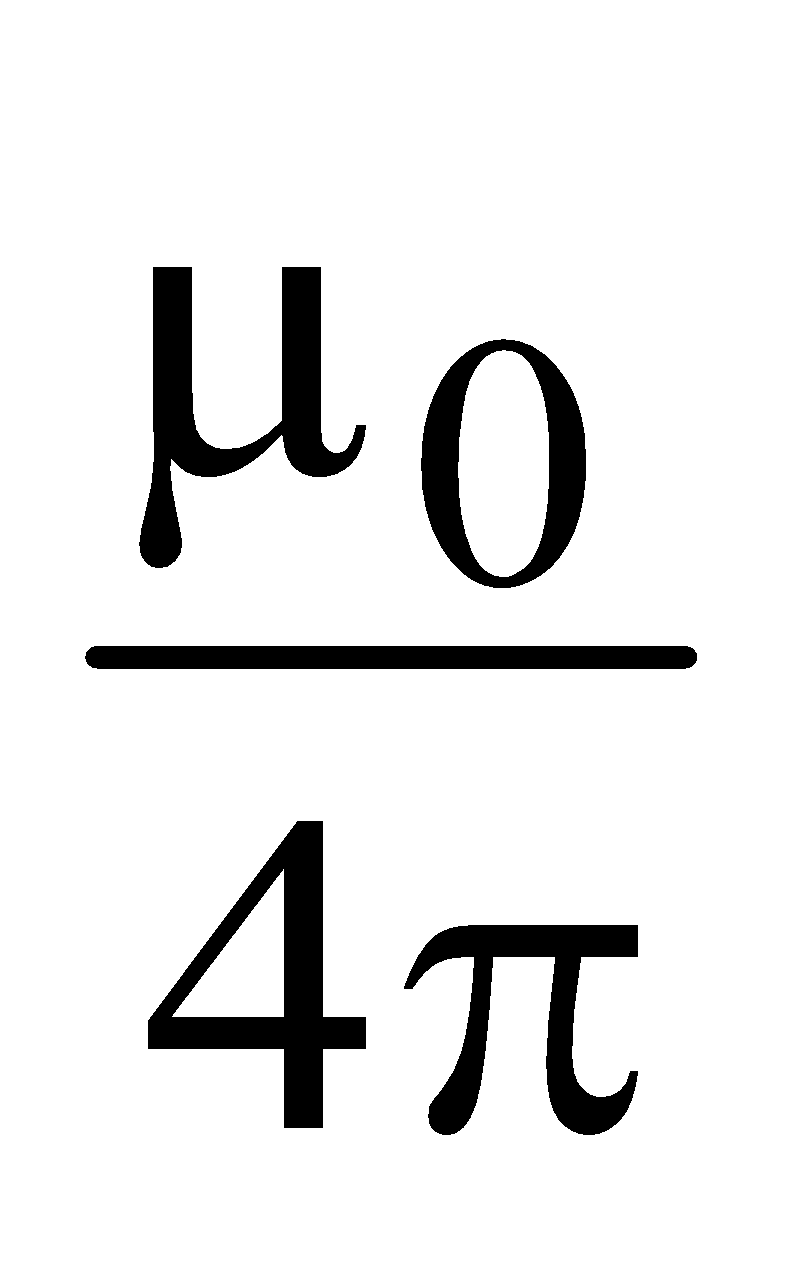
= 
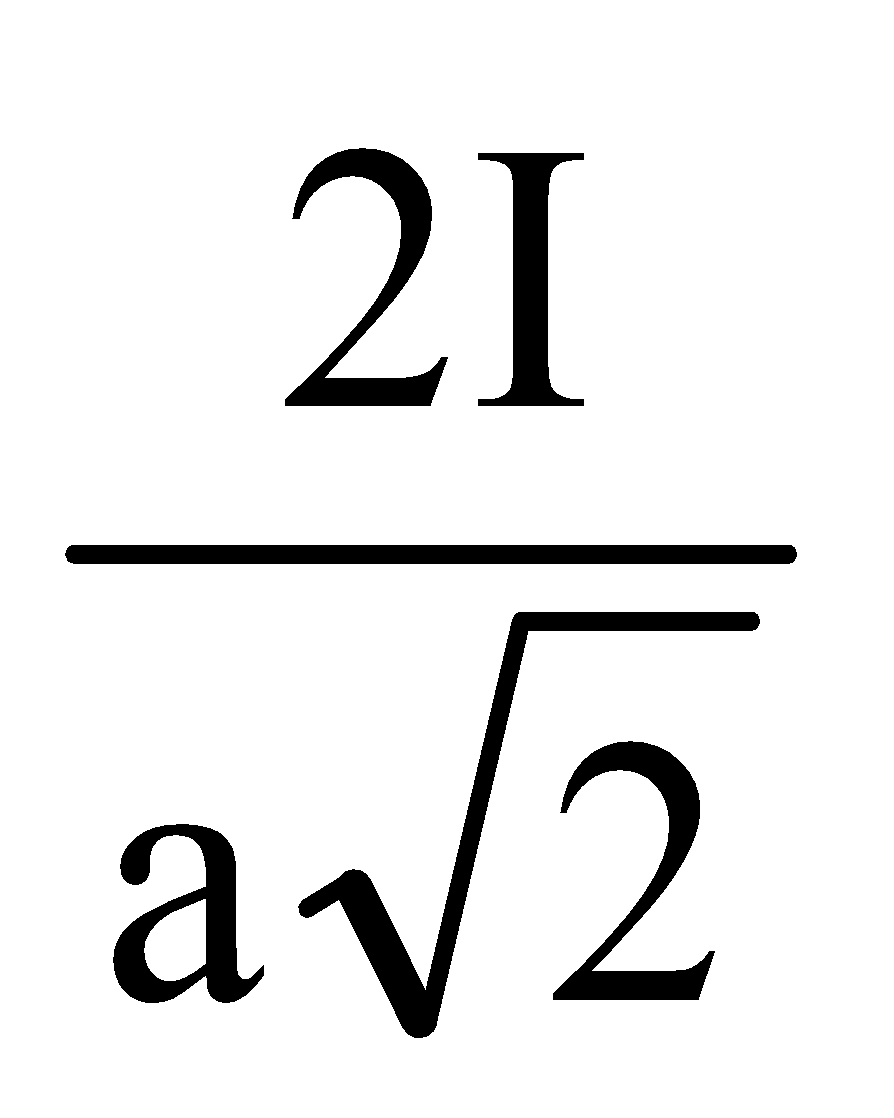
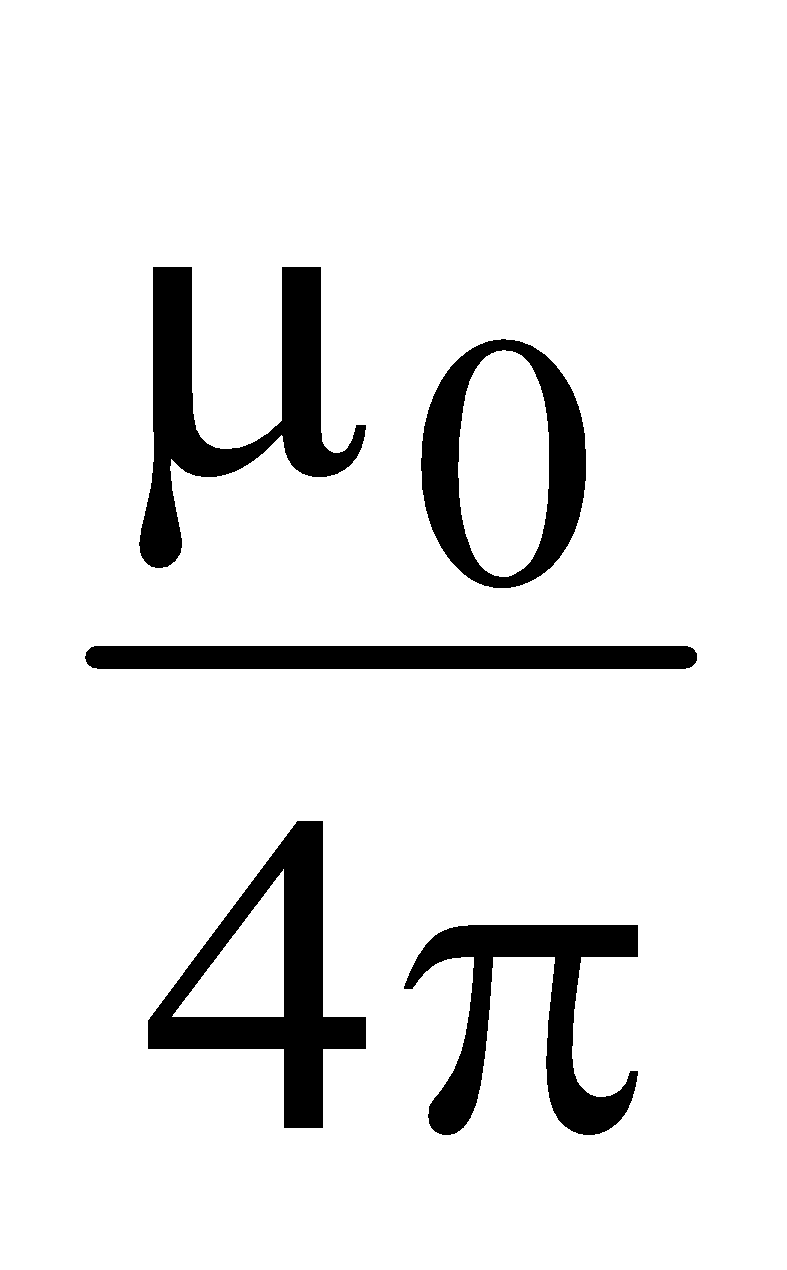
Due to A 2 , 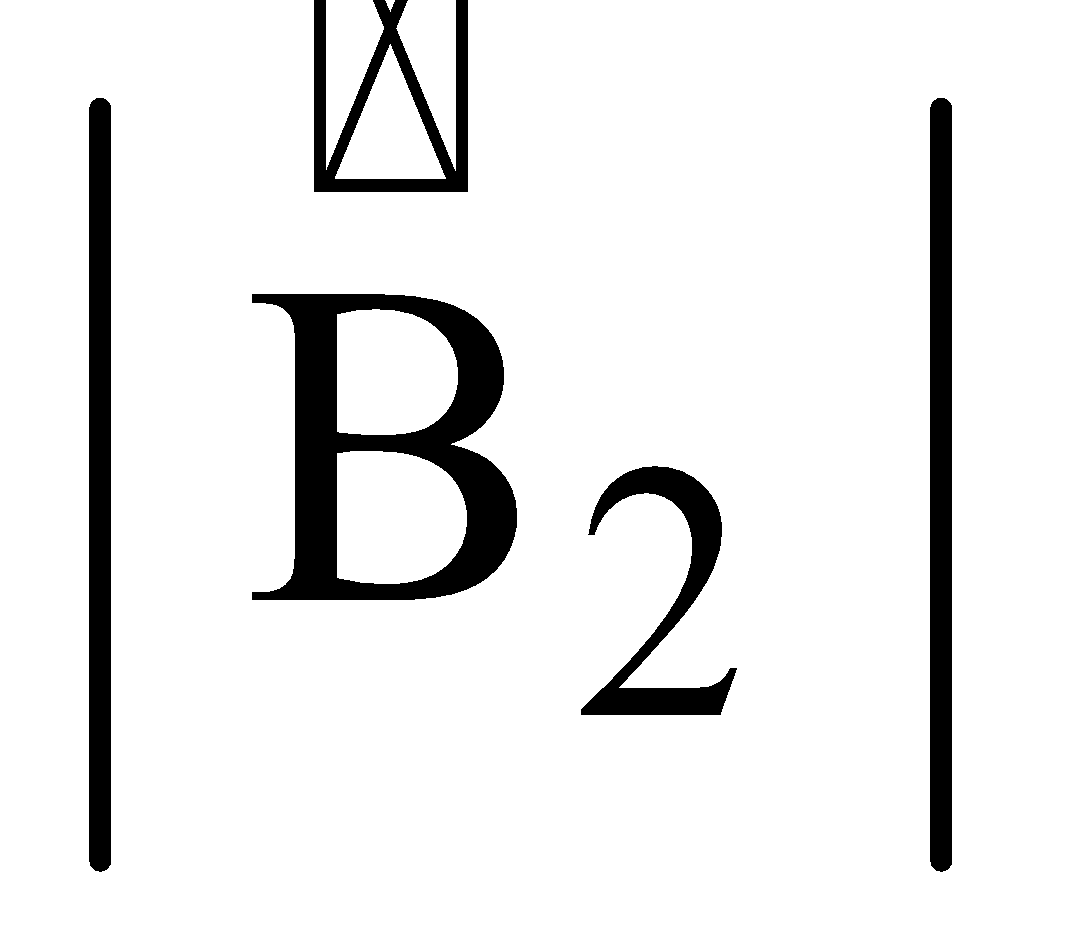 =
= 
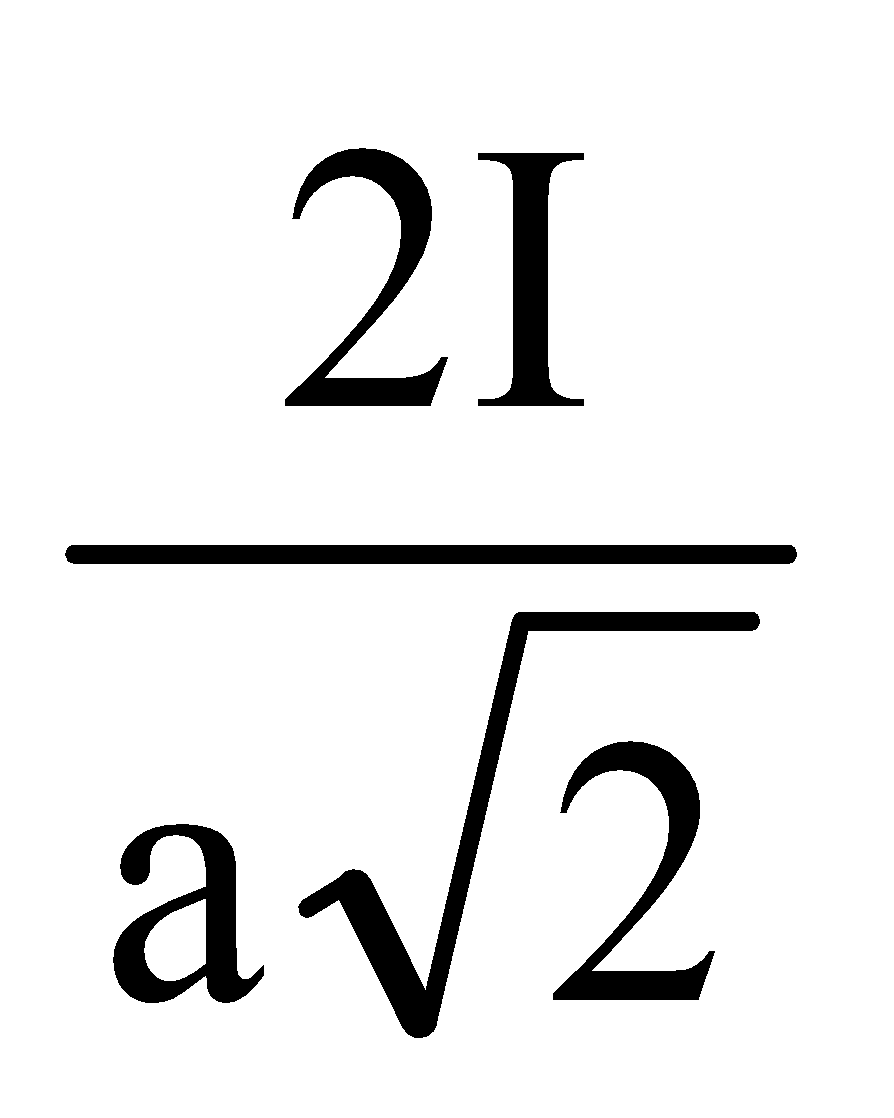
Resultant of B 1 and B 2 ,
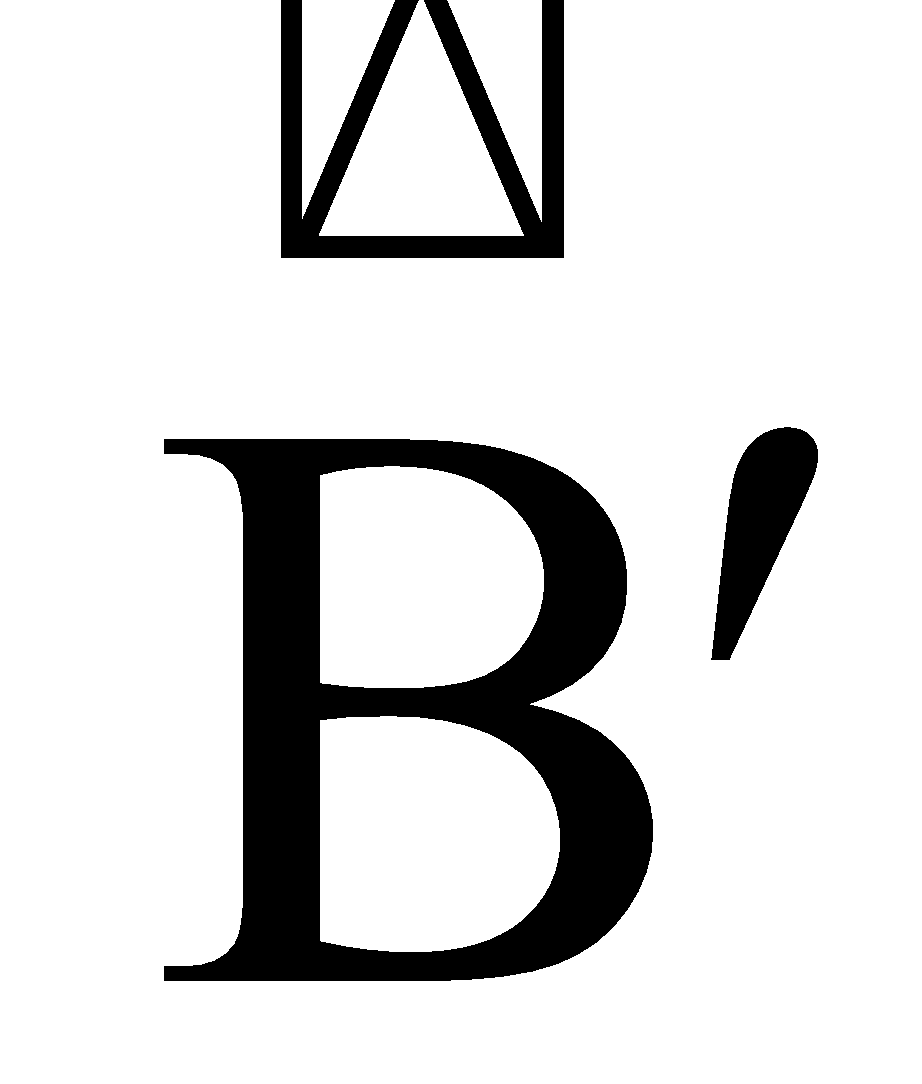 =
= 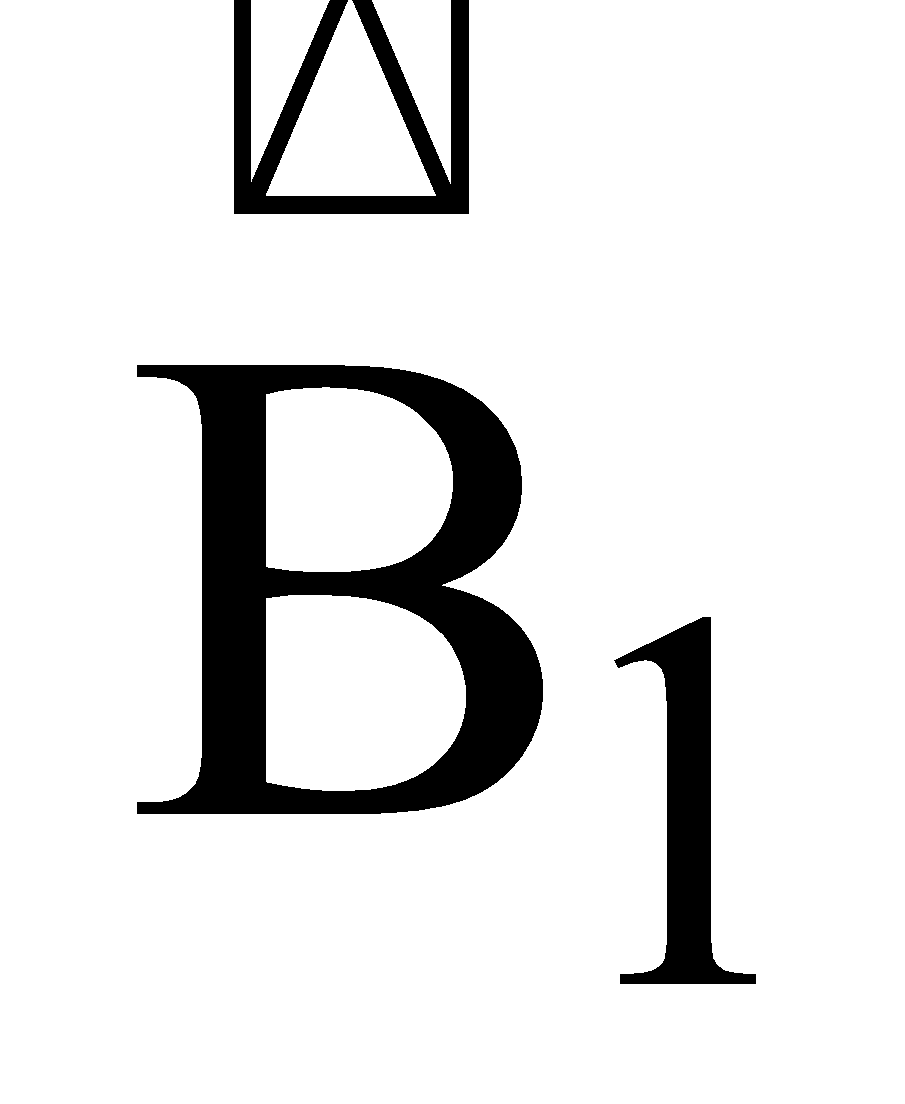 +
+ 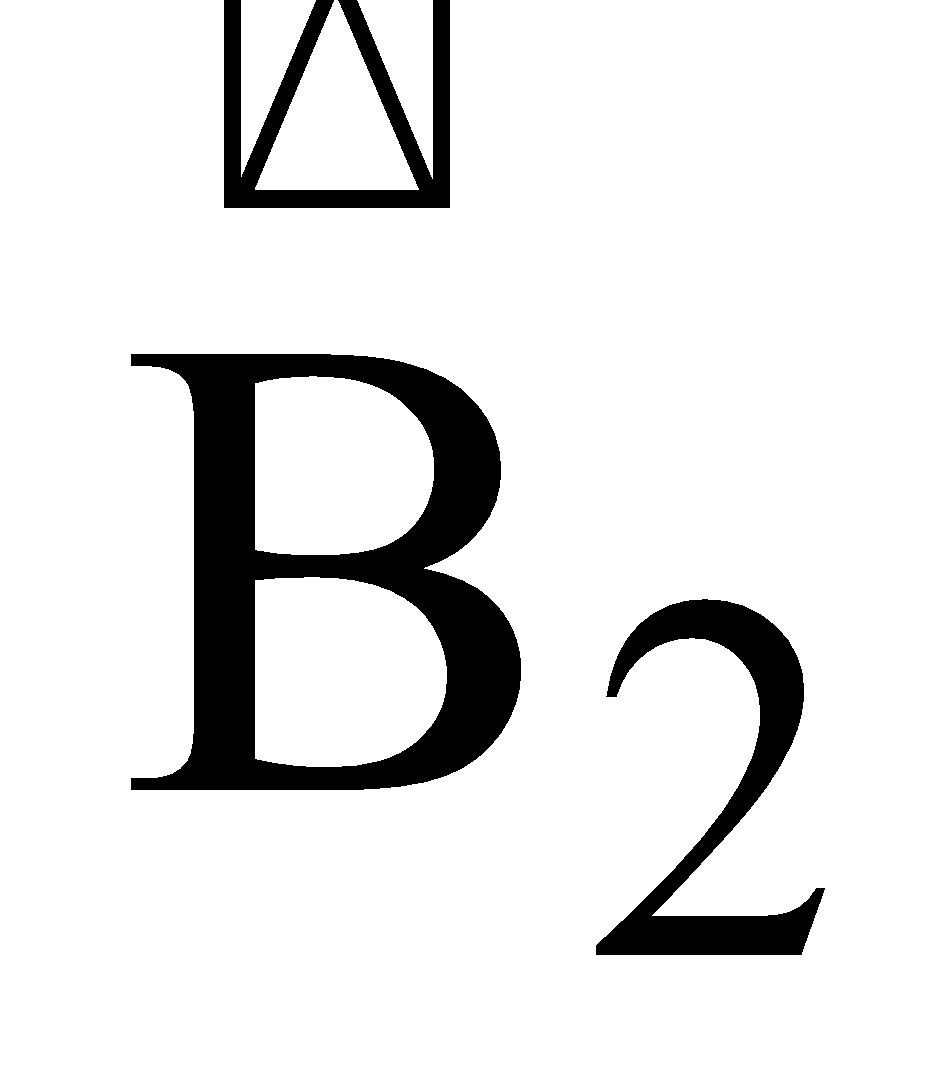 = 2
= 2 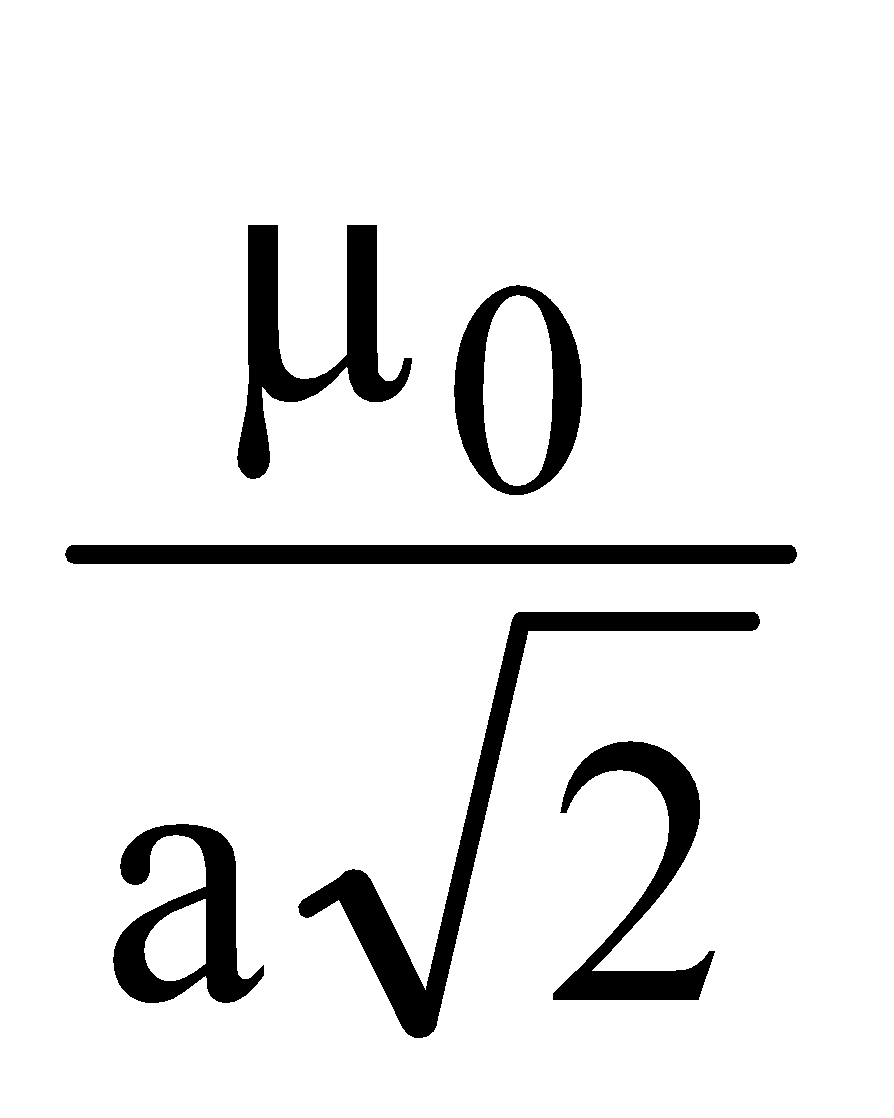 ·
· 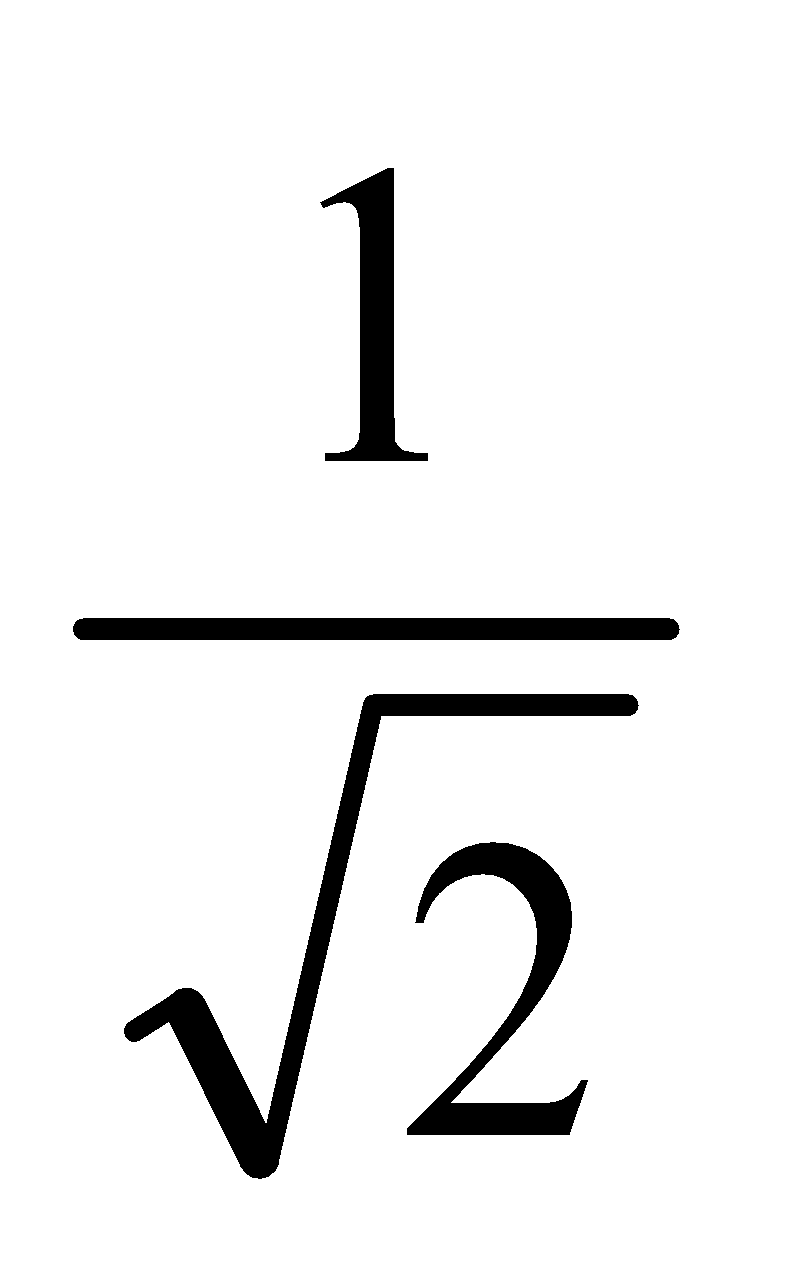 =
= 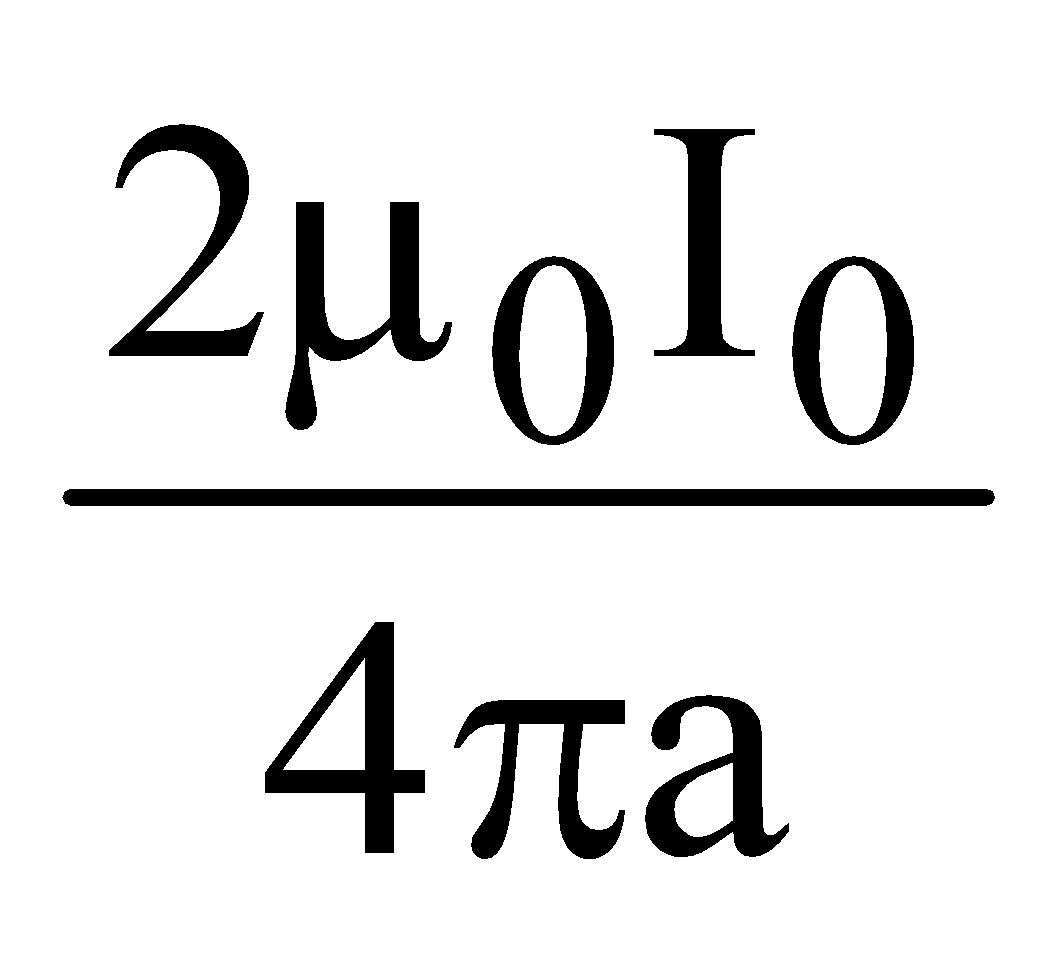 opposite to
 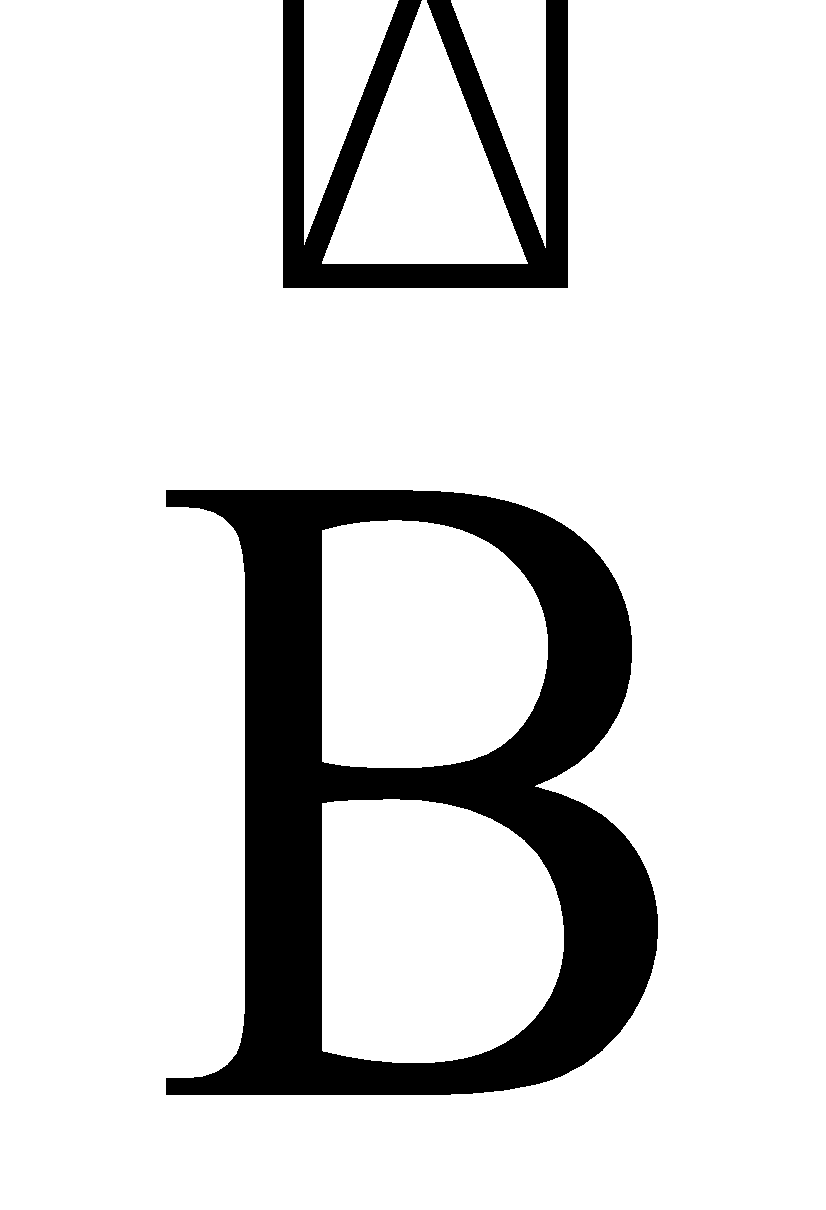 .
.
Net field at P, 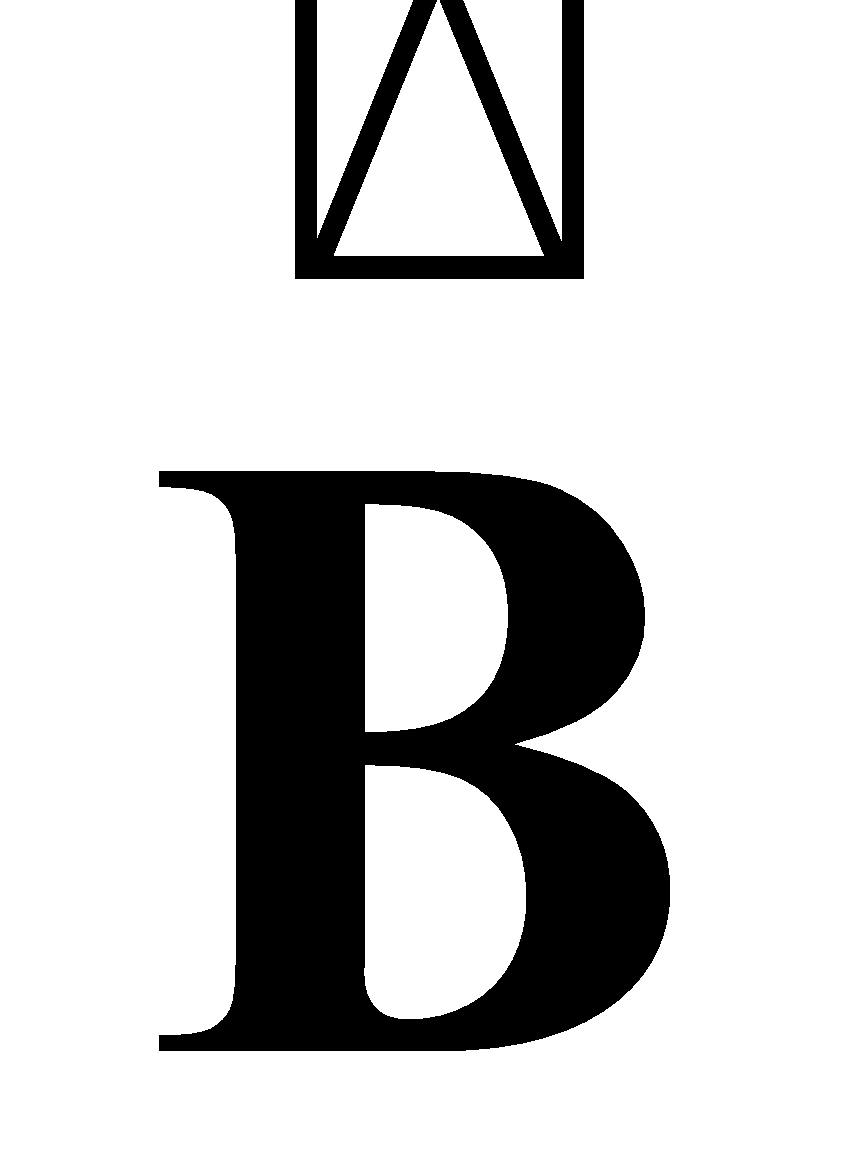 +
+ 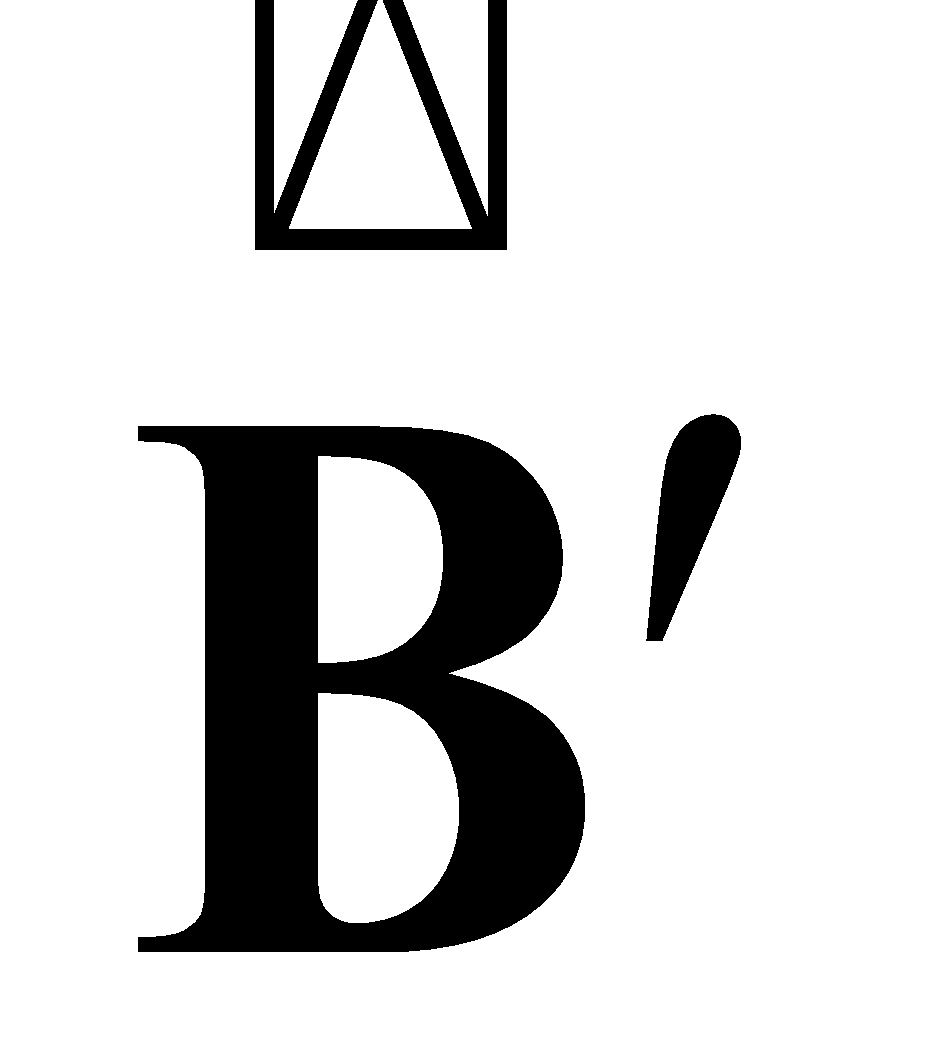 = 0
= 0
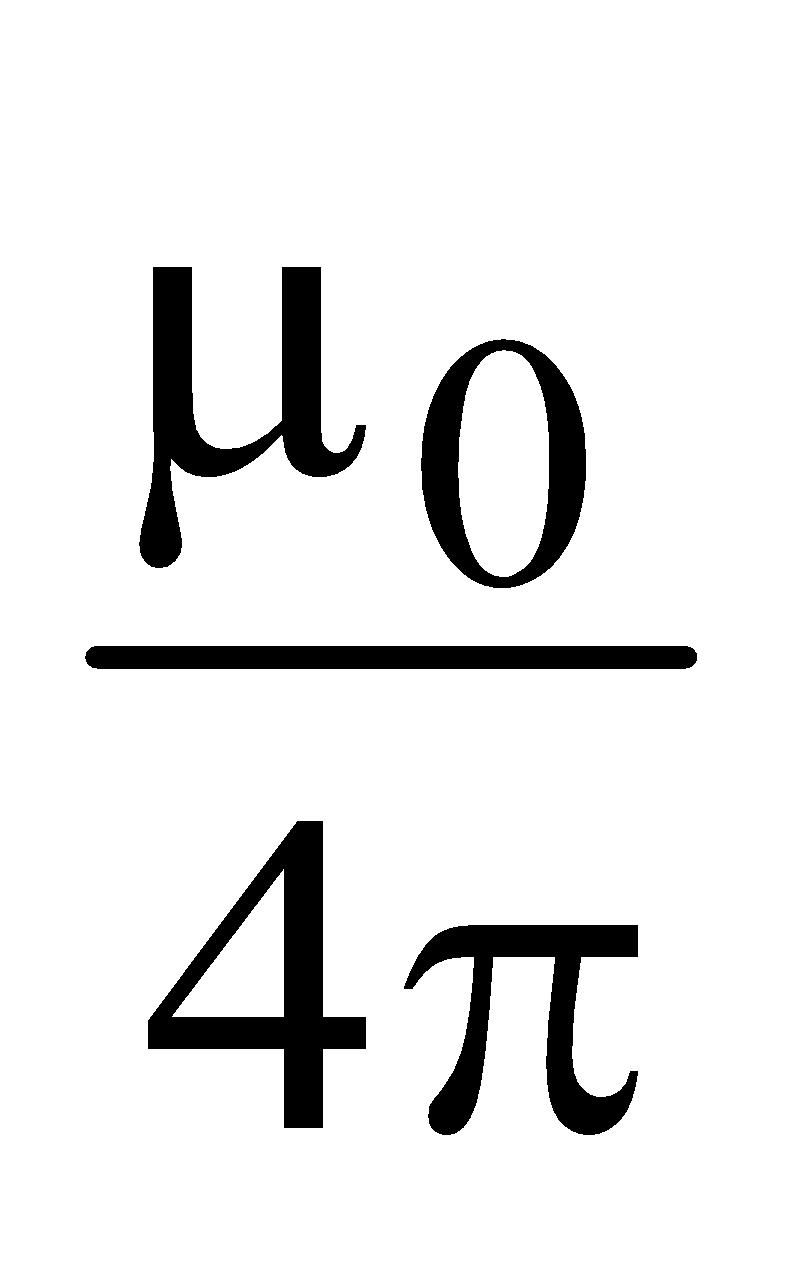
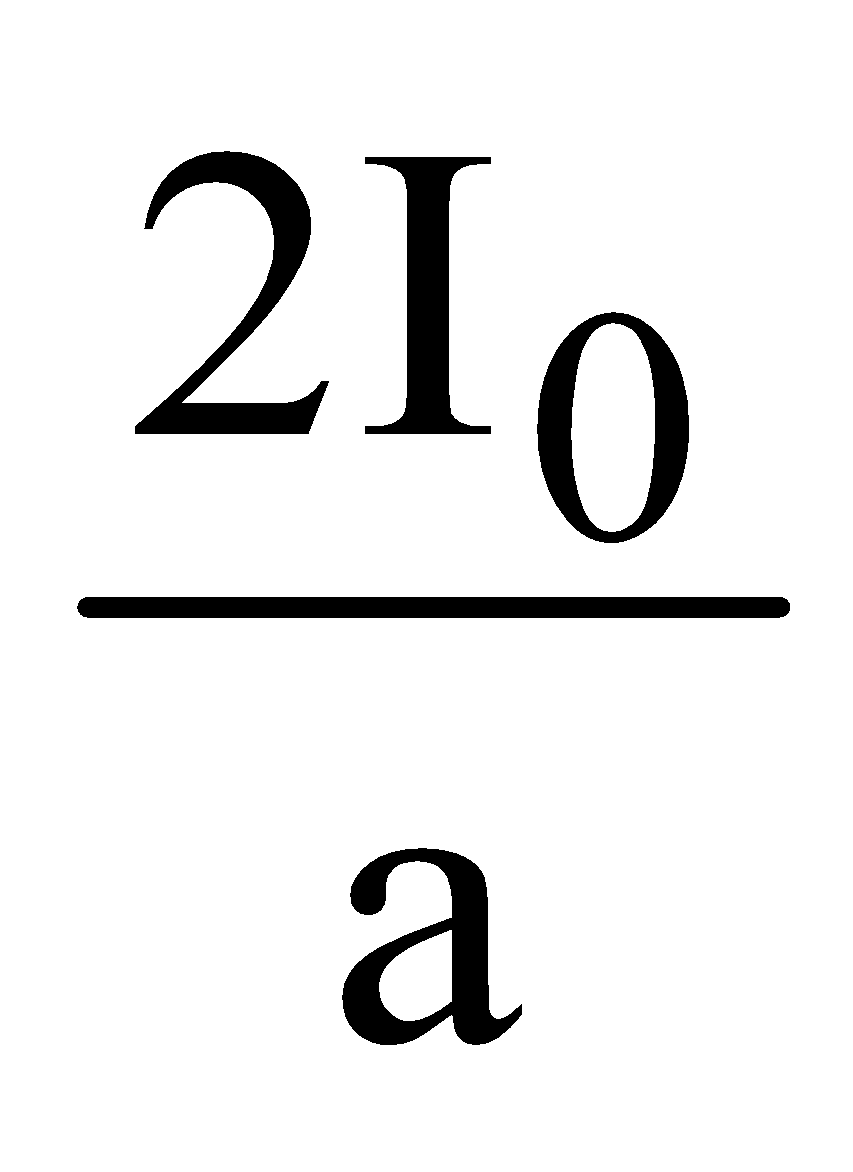 –
– 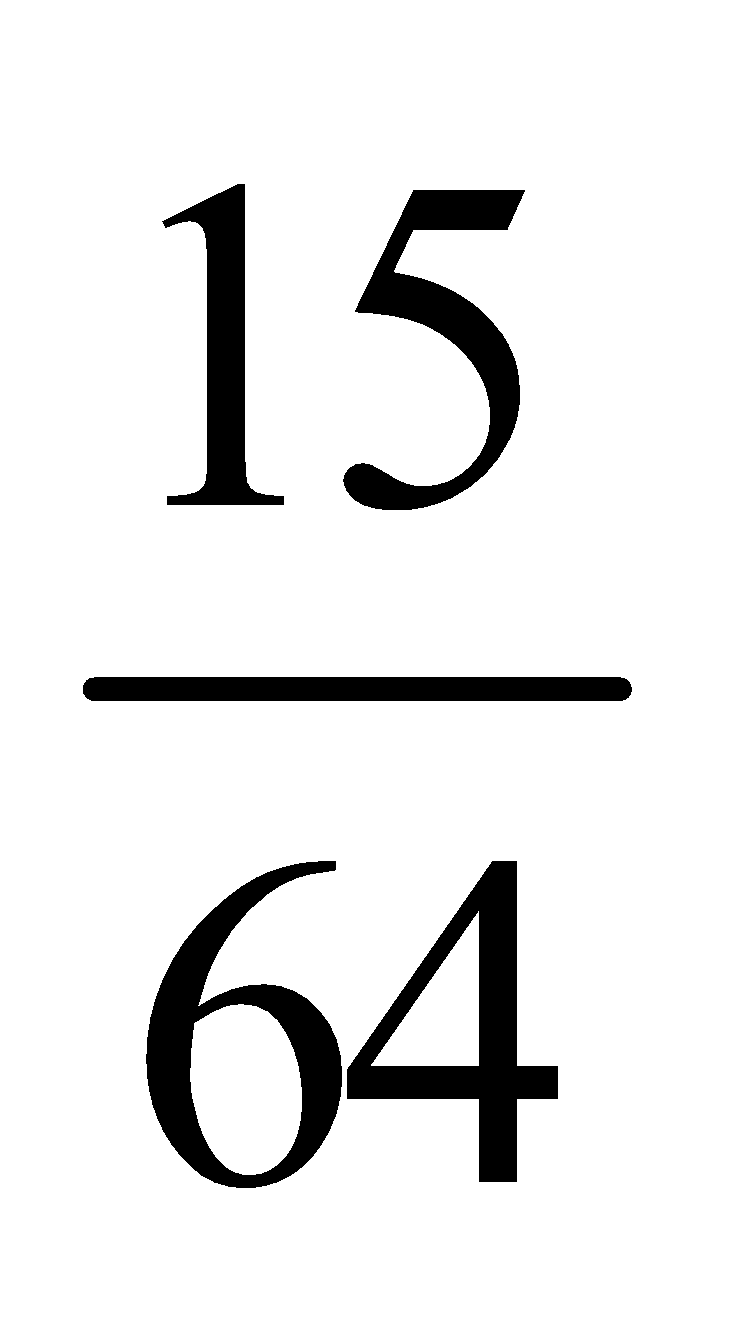 µ 0
µ 0 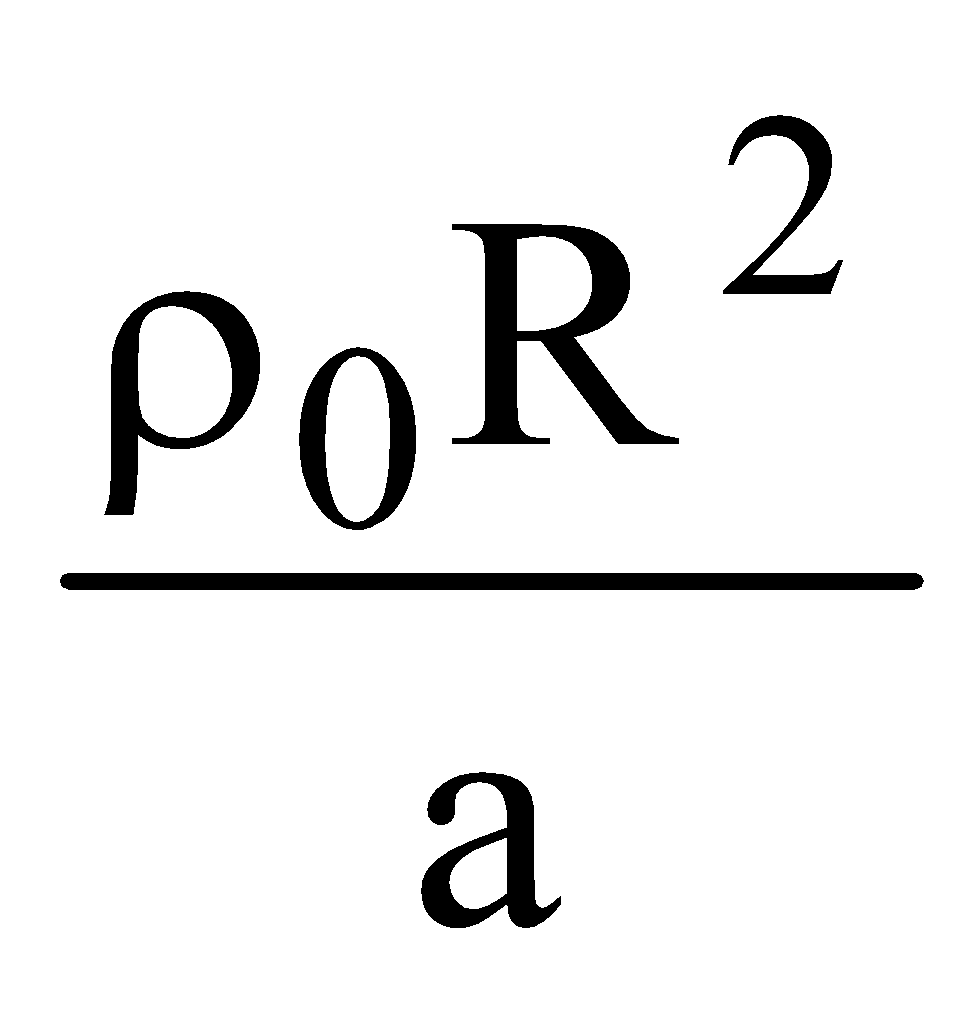 = 0
= 0
I 0 = 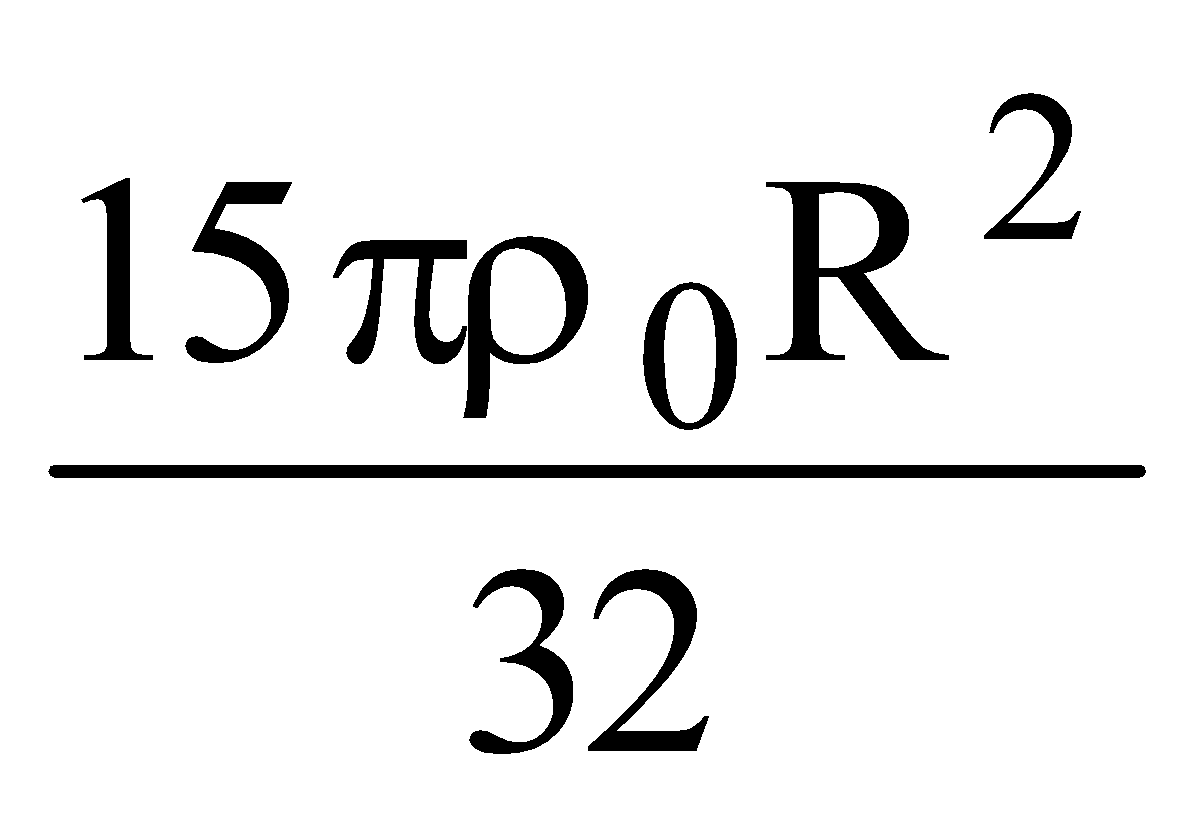 .
.
Prepare Smarter with CGP Edu
Get practice questions, solutions, and test series in one place.
Write a Review
Share your experience with this question and solution.
Commentary
Send your comment, doubt, correction, or feedback to admin.
Similar Questions
Explore conceptually related problems